By Gasana MUTESI
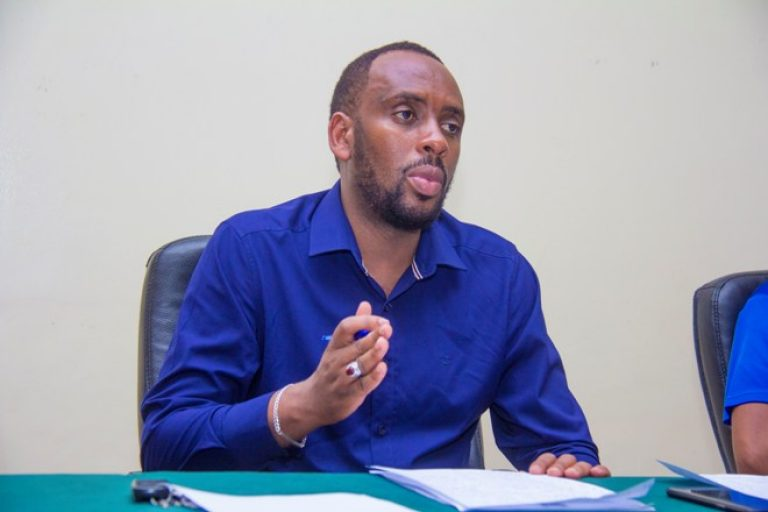
A few weeks ago, I had the privilege of sitting down with Isabelle Darras, founder of the Kwandika project, and Andersonne, a Kigali-based musician who lent his voice to the project’s podcast. Isabelle is a French writer, journalist, and screenwriter with a long history with Rwanda: she worked with Radio Gatashya, a humanitarian station serving Rwandan refugees in Goma, in the aftermath of the genocide, and has since written extensively for young readers on Rwanda’s history, including a 2024 non-fiction account built from conversations with survivors. What began as a simple conversation about her work quickly became a powerful reminder of something I have believed throughout my career in publishing and literacy: words have the power totransform lives.
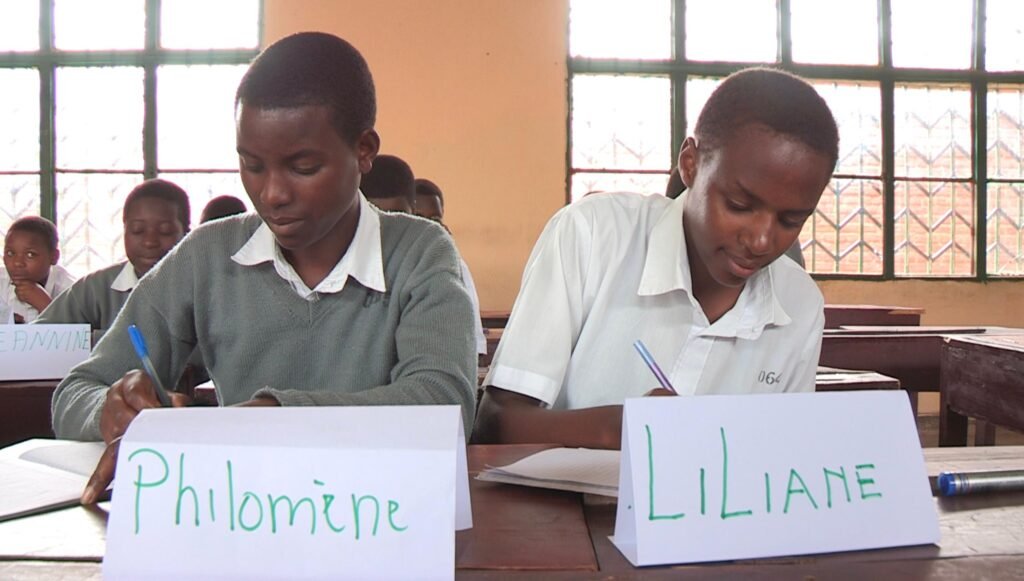
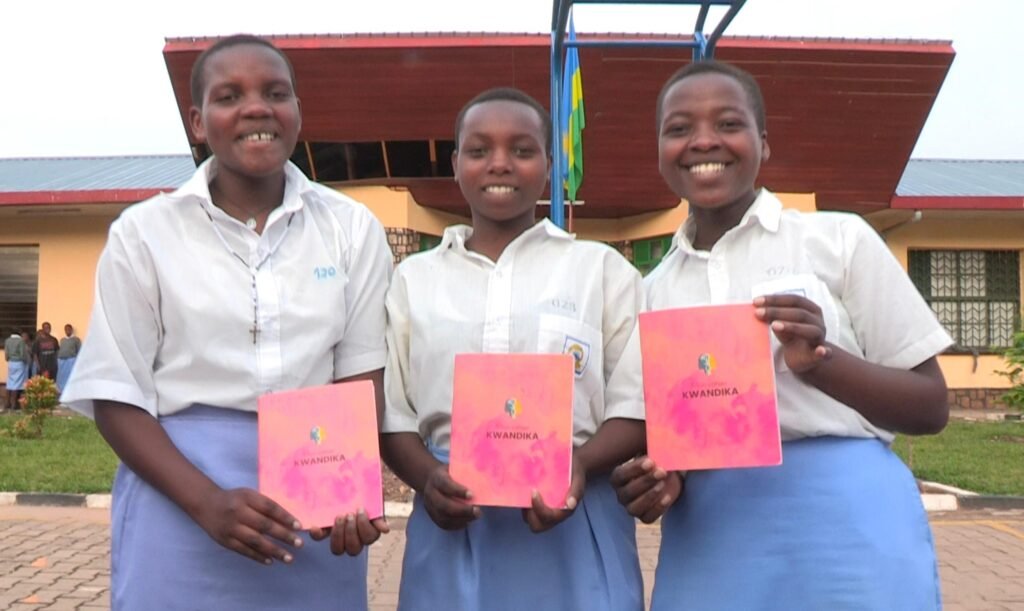
I witnessed that transformation firsthand at the book’s launch. Watching students from Training Teacher College (TTC) Muramba, in Ngororero, hold a published book carrying their own words was one of the most moving things I have seen in a long time. These are young adults training to become teachers, not children, and for many of them, growing up with limited access to books of their own made this moment even more powerful. To go from having so few books to hold, to holding one that you wrote yourself, is not something words can easily capture. It is the kind of moment that quietly rewires how a young person sees their own worth.
One question I was eager to ask Isabelle was simple: what drew her to this work? With so many communities in need of literacy interventions, what made a year-long, cross-border exchange between French and Rwandan students the right approach? Isabelle, herself an author who has spent years writing for young people learning French, spoke passionately about the importance of reaching young people who are often overlooked. She shared a vision that goes far beyond teaching grammar or improving writing skills. Her dream is to create spaces where students discover that their voices matter, that their stories deserve to be told and preserved. Writing, she explained, is not merely an academic exercise. It is a tool for confidence, identity, creativity, and connection.
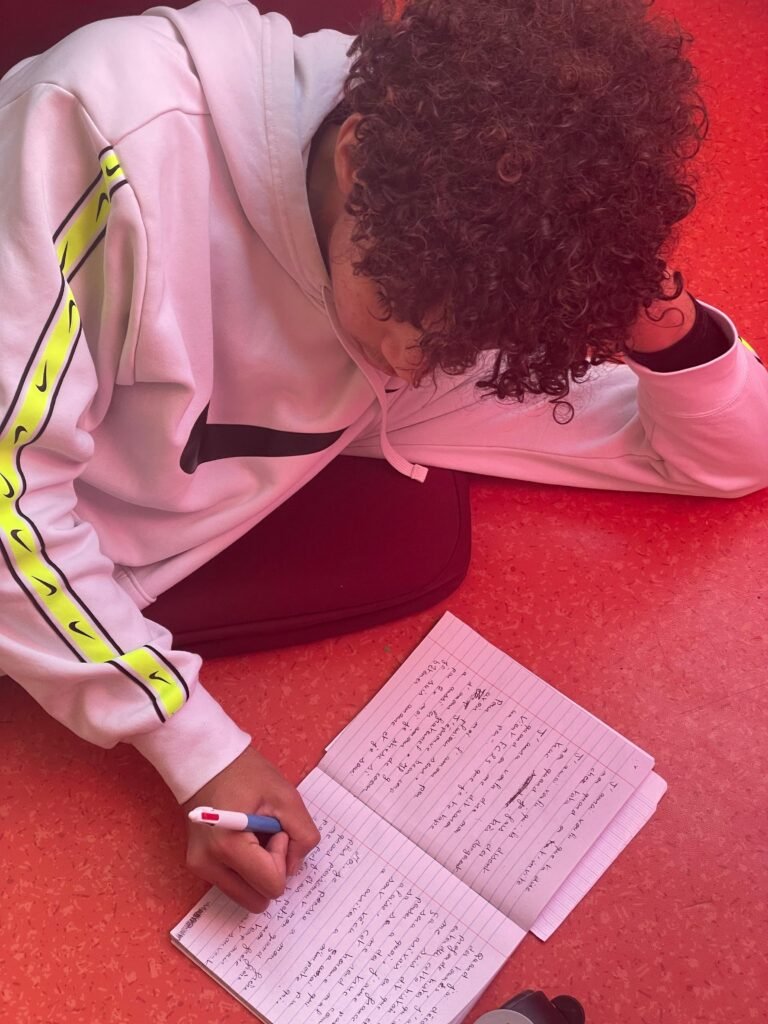
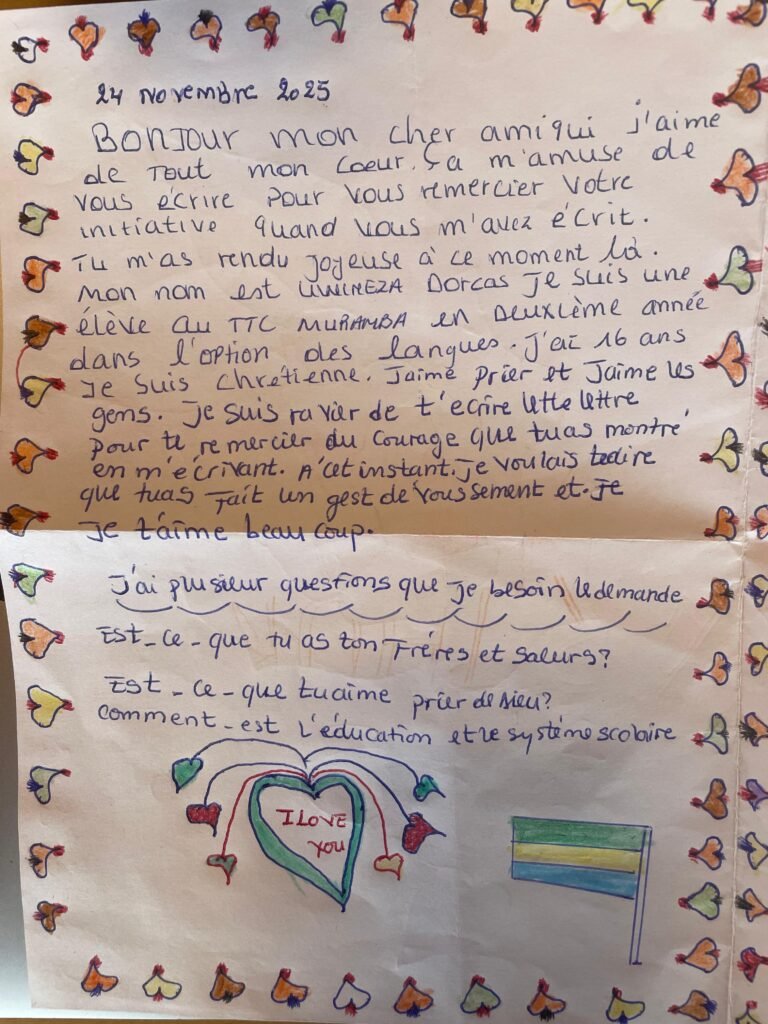
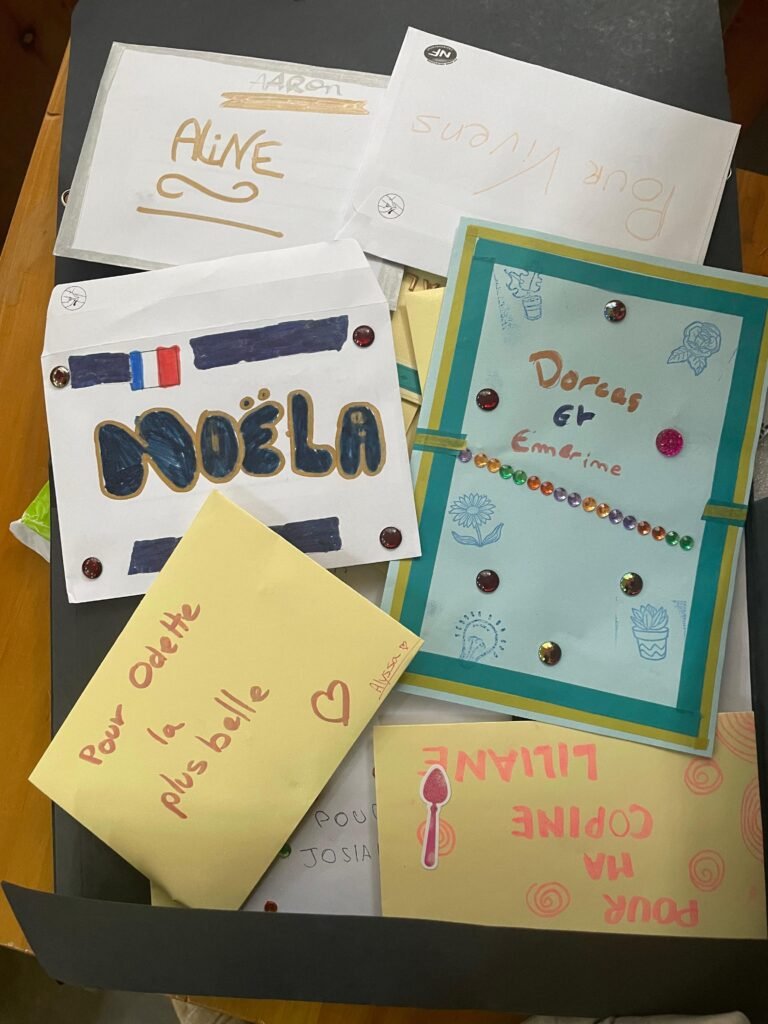
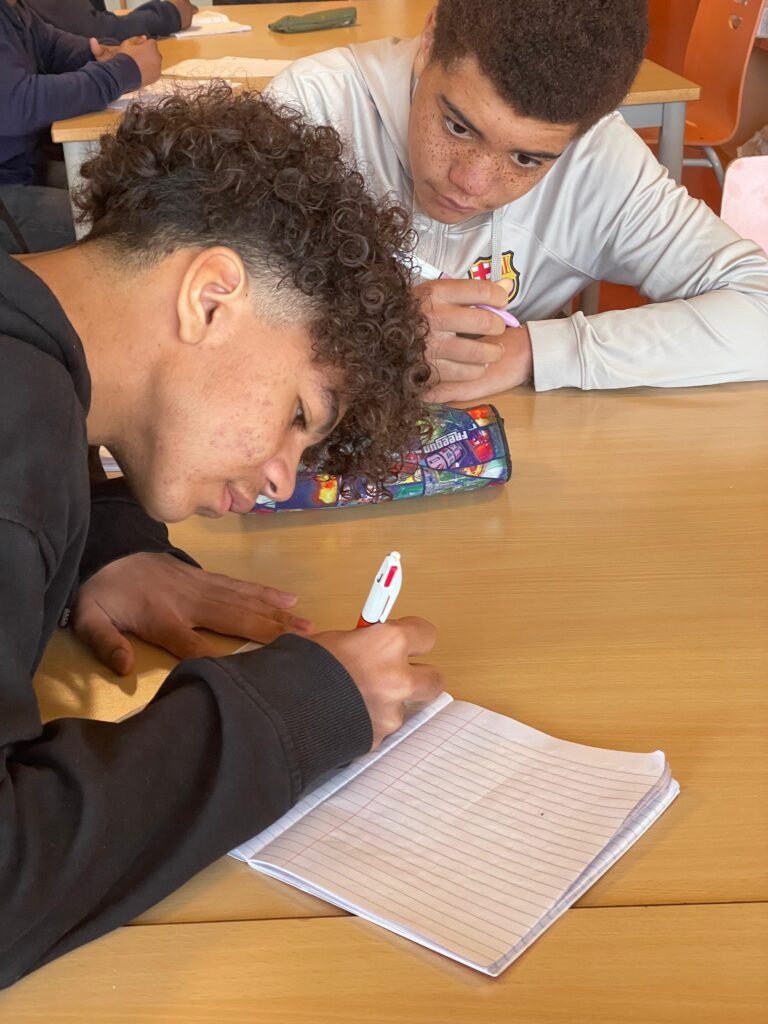
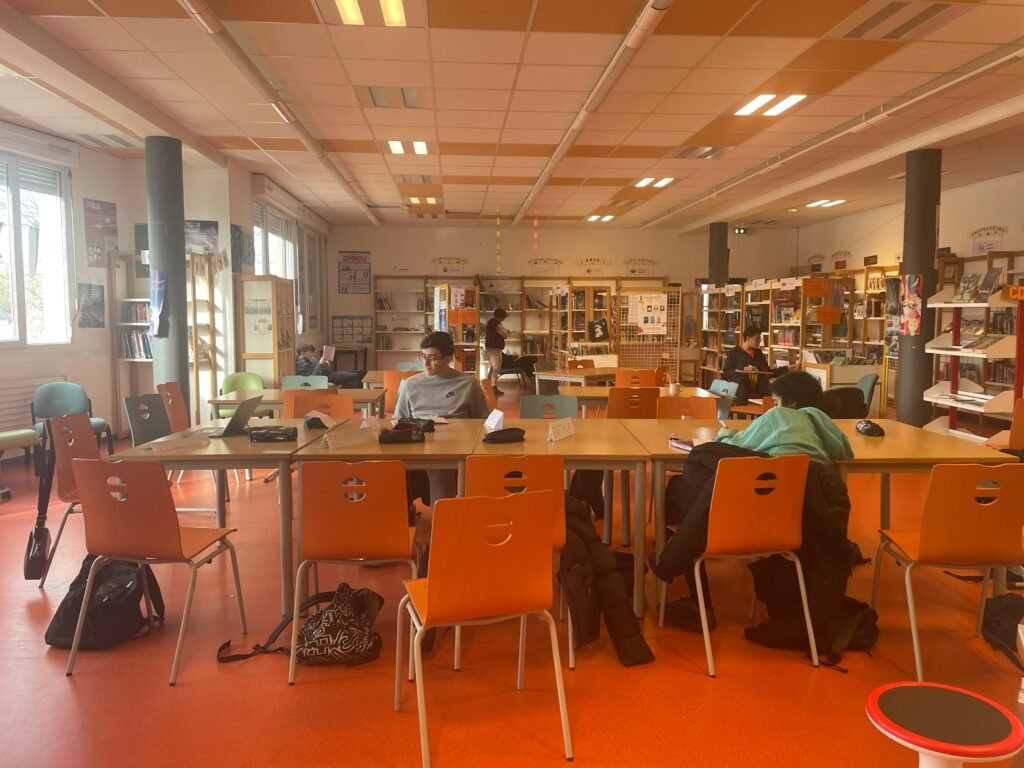
That vision translated into something extraordinary over the course of a full year. Perhaps the most remarkable achievement of the Kwandika project is that it did not stop at mentorship. Through structured workshops, dedicated writing spaces, and sustained learning, it took young writers on both sides of the exchange through the entire creative journey. The students at TTC Muramba, alongside their peers at a secondary school in France, were guided, encouraged, and mentored until they accomplished something many adults only dream of doing: they published a book together. Both groups wrote, corresponded,and shaped the manuscript side by side; it is not a Rwandan book with a French preface, but a genuinely co-authored work, Our Dreams Were Like an Ocean (Nos rêvesétaient un océan / Inzozi zacu zari inyanja), a beautiful example of how storytelling can build bridges across cultures while giving young people on both continents the confidence to see themselves as creators of knowledge, not merely consumers of it.
Think about what that means. A young person who once doubted whether their ideas mattered can now walk into a library, open a book, and find their own words printed inside. That changes how they see themselves. Once someone becomes an author, they rarely see learning the same way again.
There is also a lesson here specifically for Teacher Training Colleges. TTC Muramba trains future primary and pre-primary teachers across several tracks, including Early Childhood and Lower Primary Education, Language Education, Science and Mathematics Education, and Social Studies Education. That mission, preparing the very teachers who will shape Rwanda’s next generation, should be as practical as it is theoretical. A year of hands-on workshops, real deadlines, and a published outcome gave these trainee teachers something no lecture could: the lived experience of what it means to guide someone through a creative process from first draft to finished book, a skill they will carry directly into their own future classrooms. This is precisely the kind of practical, hands-on exposure that should be built into how TTCs train the next generation of skilled education staff, not as an extra, but as core preparation for theclassroom.
Across Africa, conversations about education often focus on examination results, infrastructure, or digital technologies. These are all important. Yet one area continues to receive far less attention than it deserves: creative writing. Writing is more than preparing students for examinations. It develops critical thinking. It strengthens communication. It nurtures empathy. It preserves culture. It encourages innovation. Most importantly, it teaches young people that their ideas have value. When students write, they begin to process their experiences, imagine solutions, and contribute meaningfully to society. In today’s knowledge economy, these are not optional skills. They are essential.
Many literacy programmes rightly focus on helping students read. But perhaps it is time we also asked another question: who is helping them become writers? Reading and writing should never be separated. Every student who reads widely should also have opportunities to write, edit, revise, share stories, and, where possible, publish their work. Publishing a young person’s story sends a powerful message: your voice matters. That message has the potential to shape their confidence for years to come.
The Kwandika project demonstrates what becomes possible when authors, educators, mentors, publishers, schools, and communities work together. It is not simply about producing books. It is about producing confident young professionals who understand that they have something worth saying, and future teachers who understand, from experience, what it takes to help someone else find their voice. Imagine if every Teacher Training College in Rwanda built in a similar year of practical writing mentorship: students learning from experienced authors, collaborating with peers locally and internationally, publishing real work before qualifying, and meeting publishers, illustrators, editors, and booksellers along the way. The impact would extend far beyond literature. It would strengthen education, culture, leadership, and even entrepreneurship.
As Rwanda continues investing in education, innovation, and the creative economy, initiatives like Kwandika deserve recognition and support. Governments cannot do this work alone. Publishers, development partners, embassies, schools, universities, private companies, and cultural institutions all have a role to play in creating spaces where young people write, publish, and share their stories. The cost of nurturing a young writer today is far less than the cost oflosing a generation’s creativity tomorrow.
Leaving my conversation with Isabelle and Andersonne, I was reminded that every book begins with someone believing a story is worth telling. The Kwandika project is doing exactly that. It is helping young people discover that their experiences matter, their dreams deserve to be written down, and their voices belong in the growing library of Rwanda’s future. We need more initiatives like this, not only at TTC Muramba, but across every training college and district in Rwanda and throughout Africa. Because when we equip young people to write, we do more than produce authors. We build confident professionals, preserve our heritage, inspire future leaders, and shape a generation that knows its story deserves to be heard.