An irrigation investment under the Second Sustainable Agricultural Intensification and Food Security Project (SAIP II) is delivering results beyond traditional farming in Rwanda’s Southern Province. While the project is helping thousands of smallholder farmers increase production in Huye District, it is also transforming the Catholic University of Rwanda (CHUR) in neighboring Gisagara District into a commercial farming center that employs more than 80 people and is now planning to introduce an Agriculture Faculty.
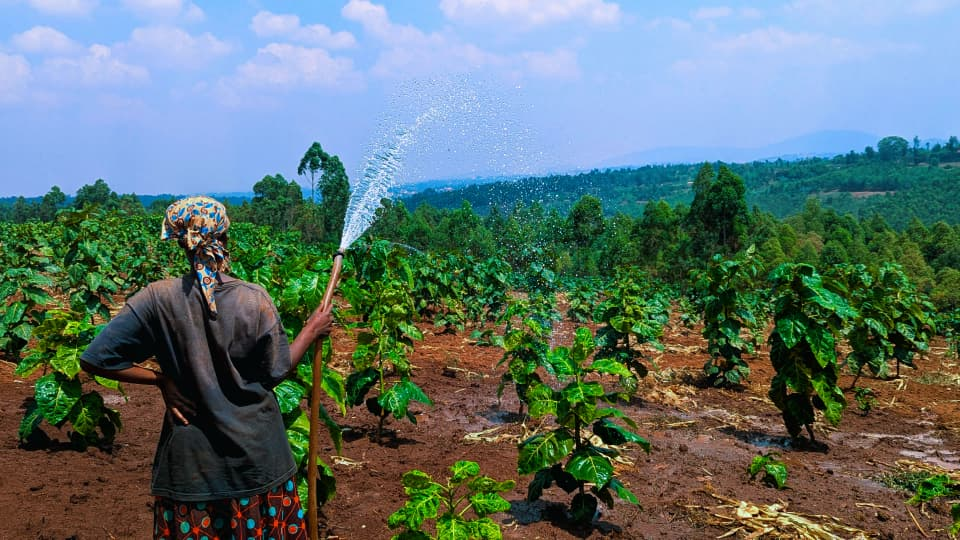
Officials say the developments show how irrigation is becoming more than a farming intervention. It is creating jobs, strengthening food security, supporting agricultural research and changing how young people view agriculture as a career.
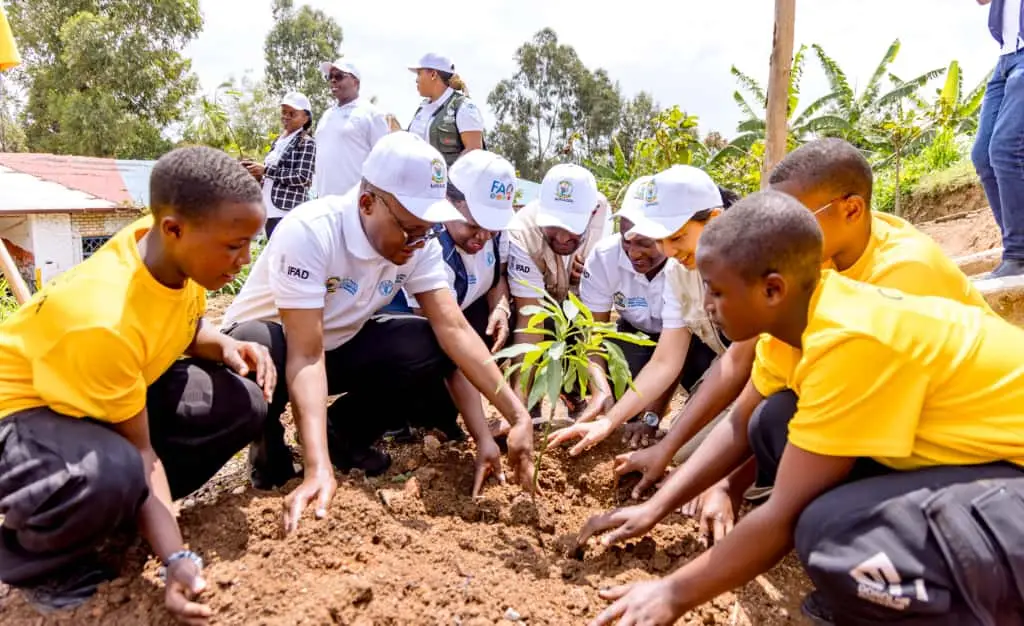
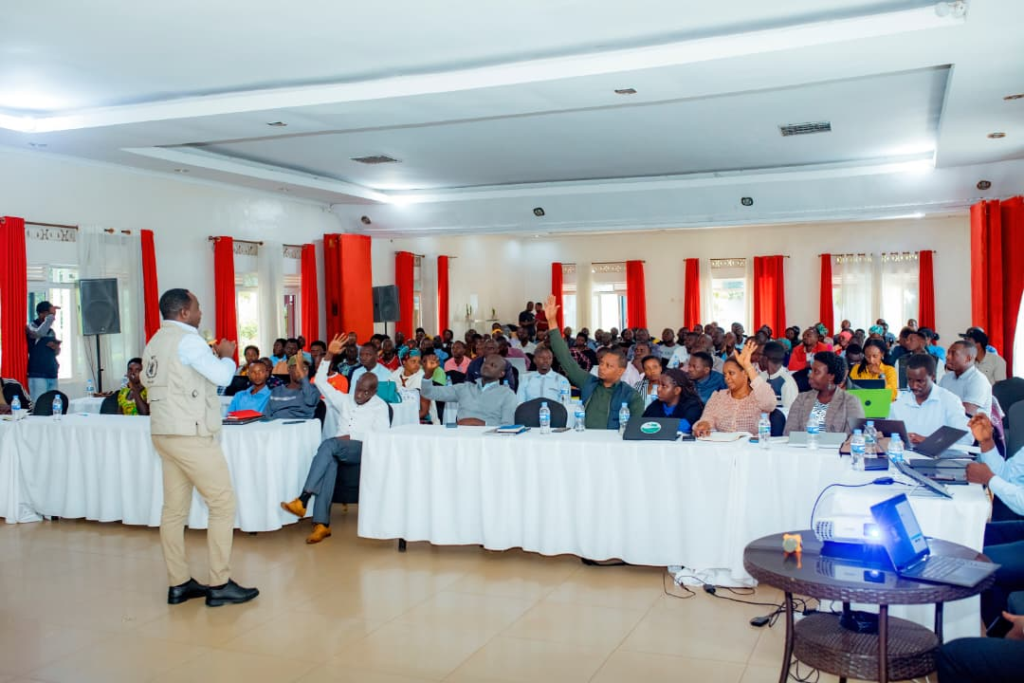
Speaking during a media visit to SAIP II-supported activities, Huye District Mayor Ange Sebutege said the project is helping farmers become more productive despite the effects of climate change.
“The objective of SAIP II is to increase agricultural production, especially for farmers with small plots of land. The project enables farmers to cultivate during all three growing seasons instead of relying only on rainfall. Besides irrigation equipment, they receive training, support to access markets and post-harvest facilities. This is helping increase production while improving household incomes,” Mayor Sebutege said.

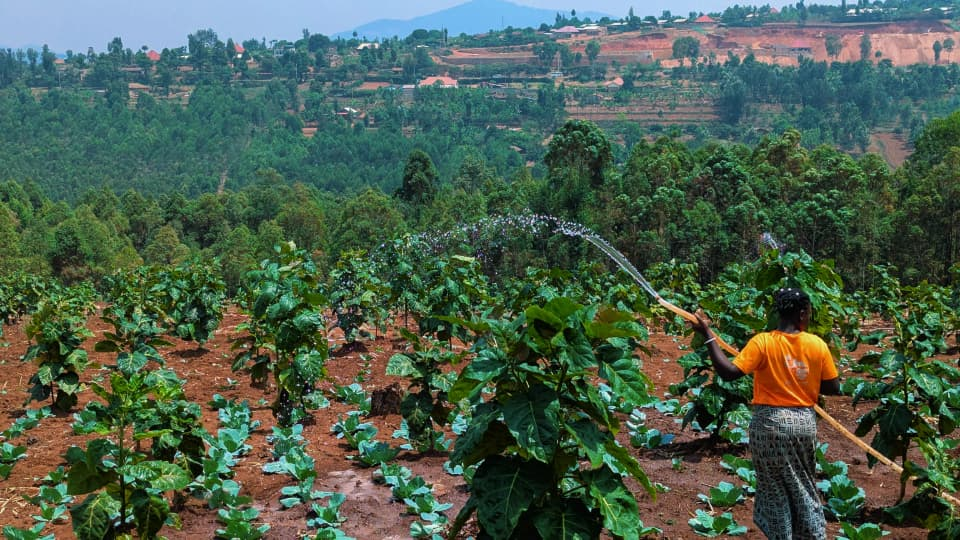
He noted that nearly 50 hectares have already benefited from irrigation support in Huye District, enabling farmers to produce throughout the year and making agriculture less dependent on changing weather patterns.
A Cooperative’s Harvest Doubles After Irrigation
The impact is already visible among farming cooperatives in Huye.
Mazimpaka Xaveri, President of Terimbere Rwabushakira Cooperative, recalls that before SAIP II, members depended on buckets and manual watering to irrigate their crops.
“Before SAIP II, we mainly grew maize and beans. We irrigated using buckets because we could not afford irrigation equipment. It was difficult, time-consuming and production remained low.”
He said the cooperative was linked to SAIP II through another agricultural project and later received a solar irrigation system worth about Rwf2.5 million, fully financed by the project.
The results came quickly.
“Before irrigation we harvested between five and six tonnes. Today we harvest about 12 tonnes from the same seven hectares. The irrigation system allows us to grow crops even where water could not easily reach before.”
According to Mazimpaka, increased production has improved members’ lives beyond farming.
“Every cooperative member now owns a goat. Members receive health insurance on time; we have farming tools and parents are able to pay school fees. These are things we could not achieve when everyone farmed individually.”
He says the cooperative has also gained recognition because of its improved performance.
“People now know us. Government institutions recognize our work because our production has increased.”
CHUR Finds a New Future in Agriculture
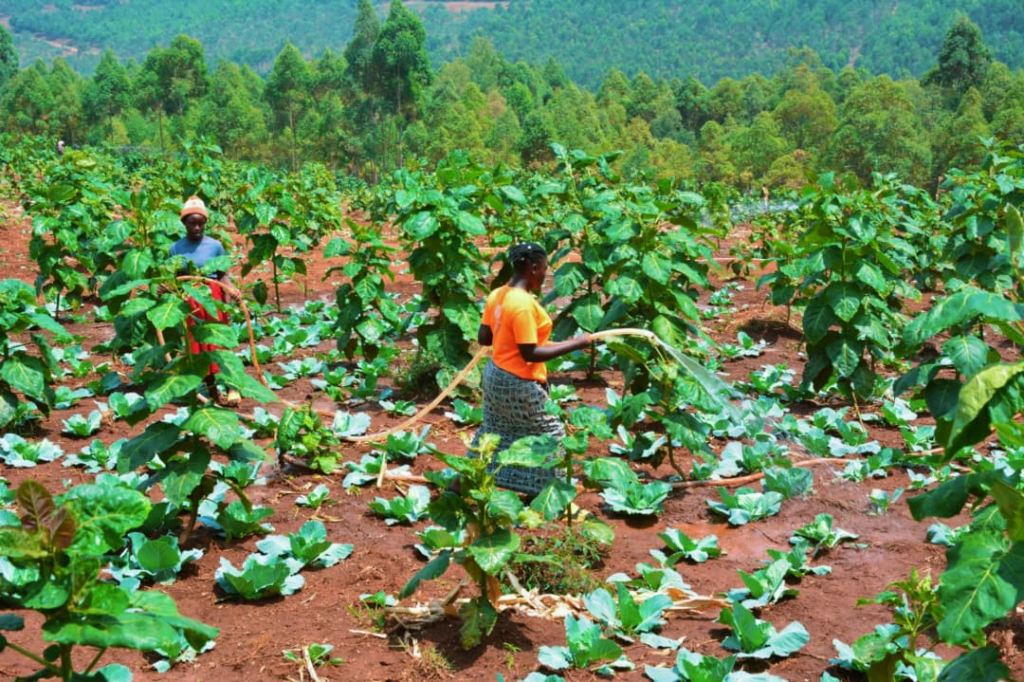
In Gisagara District, another SAIP II investment is changing the future of the Catholic University of Rwanda.
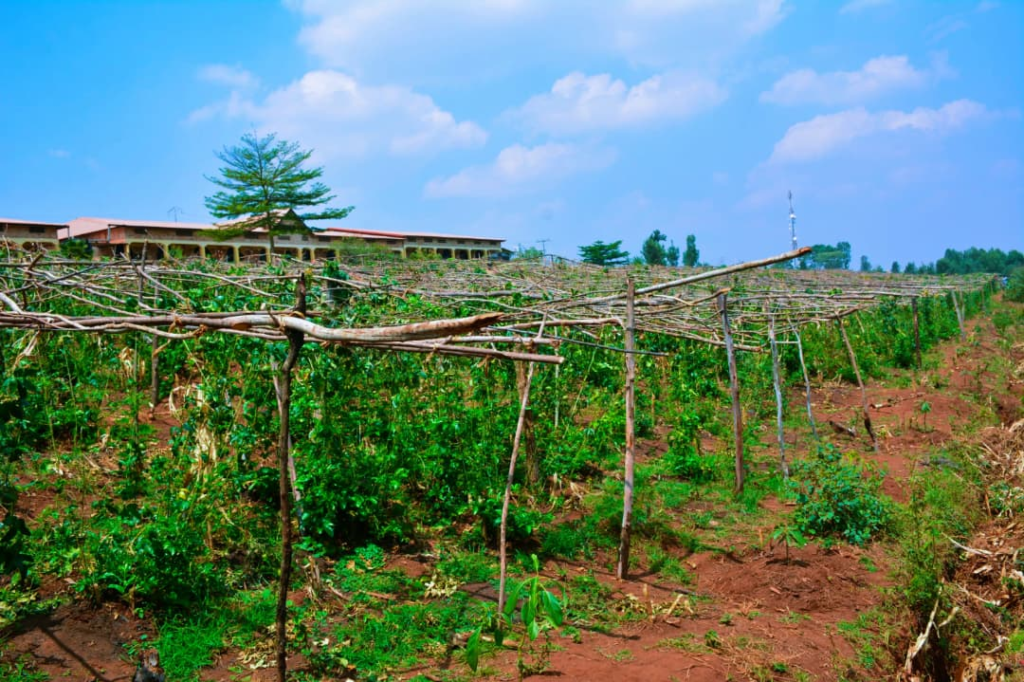
On land that was previously covered by forest, the university has established a 10-hectare irrigated commercial farm producing strawberries, passion fruits and vegetables.
The project currently provides employment to more than 80 workers, most of them women and young people from nearby communities.
CHUR agronomist Ntihabose Cleophas says irrigation completely transformed what was once unproductive land.
“Before SAIP II, this area was almost entirely forest. We depended on rainfall and practiced traditional farming. During the dry season crops dried because there was no irrigation. Production was very low.”
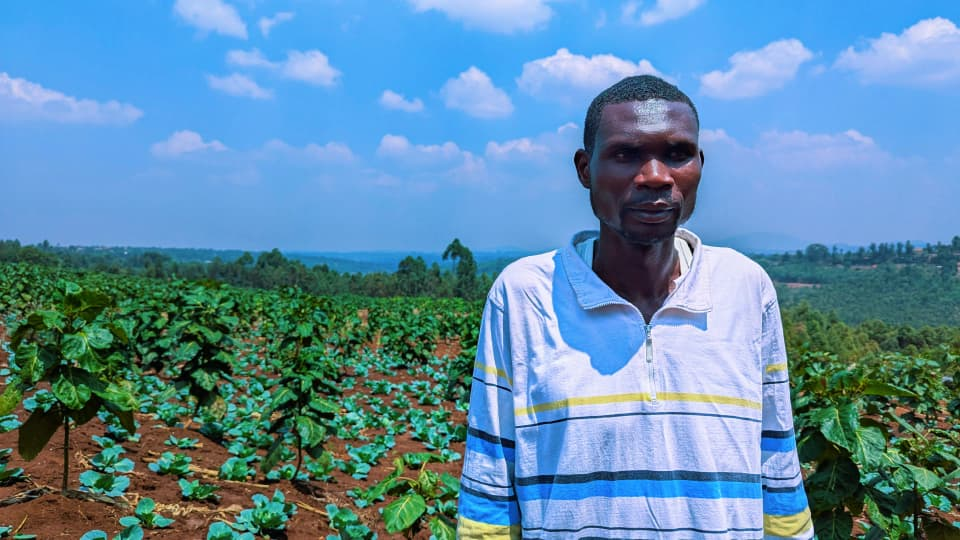
The university received a solar-powered irrigation system that pumps water from a nearby wetland into a reservoir before distributing it across the farm through a network of pipelines.
The investment, valued at Rwf96 million, was financed with 75 percent support from SAIP II, while the university contributed the remaining 25 percent.
Today, the farm has 16,000 strawberry plants, 5,500 passion fruit vines and several vegetable crops.
Although production is still increasing as the soil improves, early results are encouraging.
” The soil is still acidic because the area was previously covered by forest. Once it fully recovers, we expect annual production to reach at least seven tones of passion fruits. For strawberries, our target is 12 tones every year.”
He added that buyers are already competing for the harvest.
“Whenever we harvest, traders from Huye market come looking for our produce. Sometimes they tell us they have been waiting because demand is already high.”
Young Workers Building New Lives
The project is also giving young people opportunities that were previously unavailable.
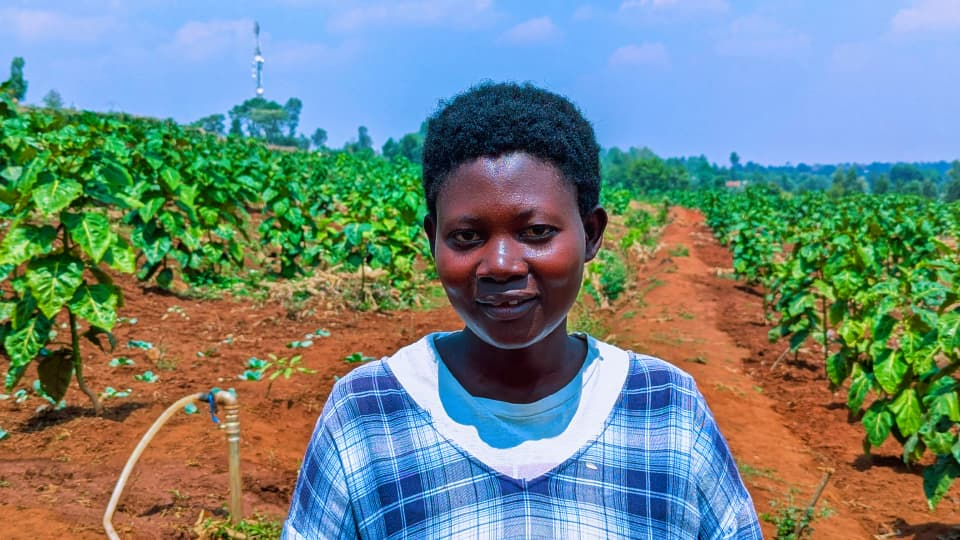
Ishimwe Delphine, one of the workers, says she joined the farm after struggling to find employment.
“Before I came here, I had no job. Today I can buy basic household necessities, save money through a local savings group and plan for my future. My dream is to start my own business.”
She believes agriculture offers young people a real path to self-employment.
“If you grow fruits like these and sell them, agriculture becomes a business. Young people should stop wasting time because farming can improve their lives.”
Another employee, Nyiraneza Consolata, says working on the farm has helped her become financially independent.
“This job has helped me buy livestock and improve my life. Agriculture keeps young people busy and gives them hope for the future.”
Former security guard Ndahiman Eliya says the project has given him practical agricultural skills he never had before.
“When I joined, I knew nothing about growing strawberries. Today I understand modern farming and irrigation. These are skills I can use anywhere.”
Agriculture Set to Join CHUR’s Academic Programmes
The success of the irrigation project is now influencing the university’s academic plans.
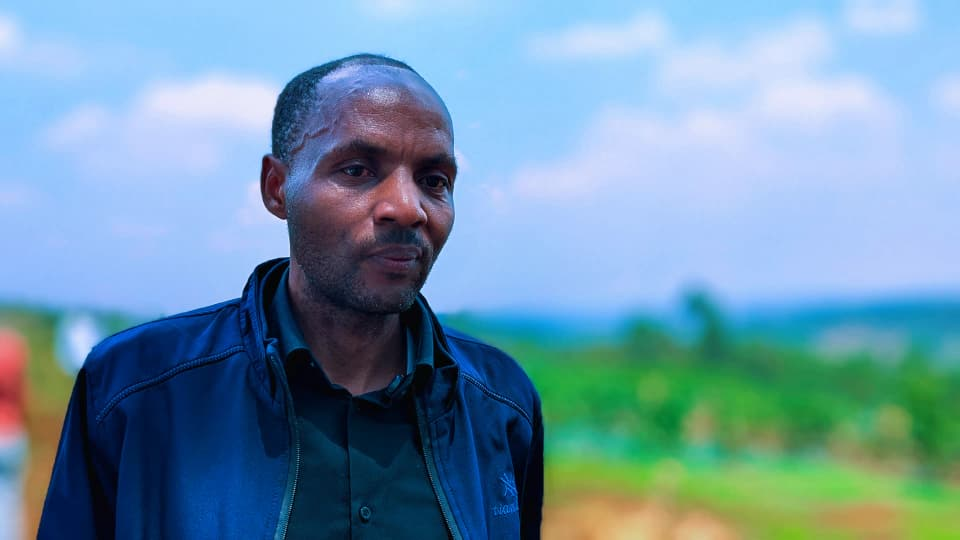
Representing CHUR management, Chief Accountant Jean Danmascen said the university already has a Faculty of Food Processing and wants students to learn from practical agricultural production.
“We already teach food processing, and our vision is to process these fruits into juice and other packaged products. We have started acquiring processing equipment. Because of what this project has achieved, we are planning to expand our programmes by introducing agriculture so students can combine classroom learning with practical farming.”
The university believes the commercial farm will become a practical training center for students while supporting agricultural research and innovation.
Supporting Rwanda’s Employment Agenda
The transformation taking place in Huye and Gisagara reflects Rwanda’s broader development agenda under the Second National Strategy for Transformation (NST2), which identifies modern agriculture as one of the priority sectors for creating productive jobs, increasing resilience to climate change and improving food security, particularly for women and young people.
For CHUR, sustaining the investment is now the next priority.
“The irrigation infrastructure now belongs to us,” Cleophas said. “We chose high-value crops because they will generate enough income to maintain the irrigation system, pay workers and continue expanding production. Our goal is to make this investment sustainable.”
Officials believe that SAIP II irrigation can deliver much more than water. It is creating jobs, improving incomes, strengthening agricultural education and giving young people new reasons to see farming as a modern and profitable profession.