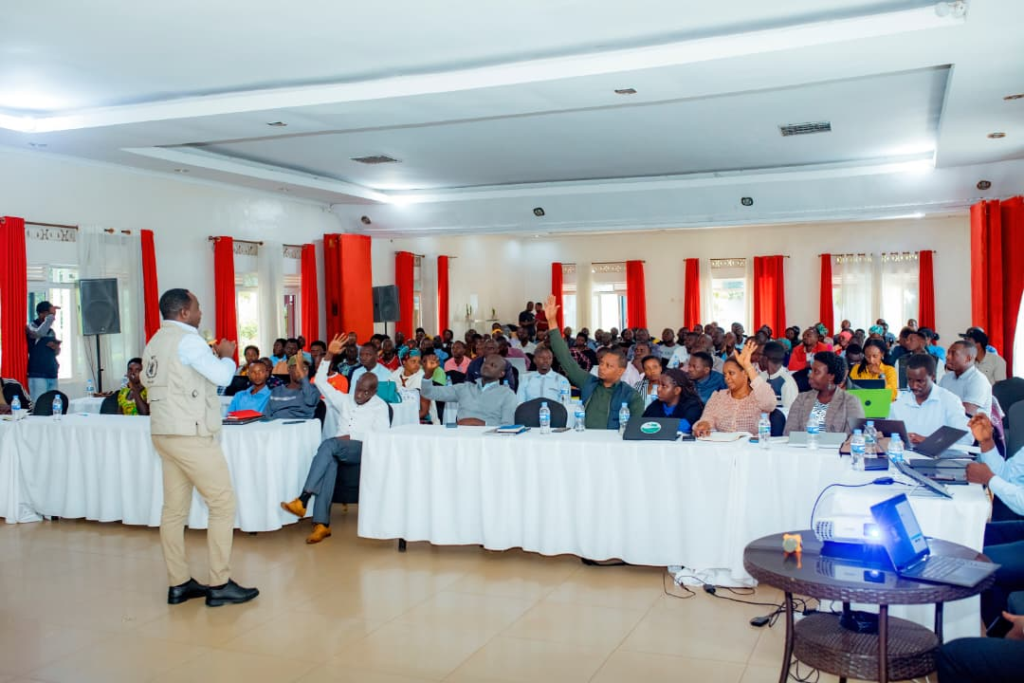
For many visitors, the Rwanda Agricultural Show is a place to discover new farming technologies and buy agricultural products. But for many farmers they see exhibiting this year, it means much more.
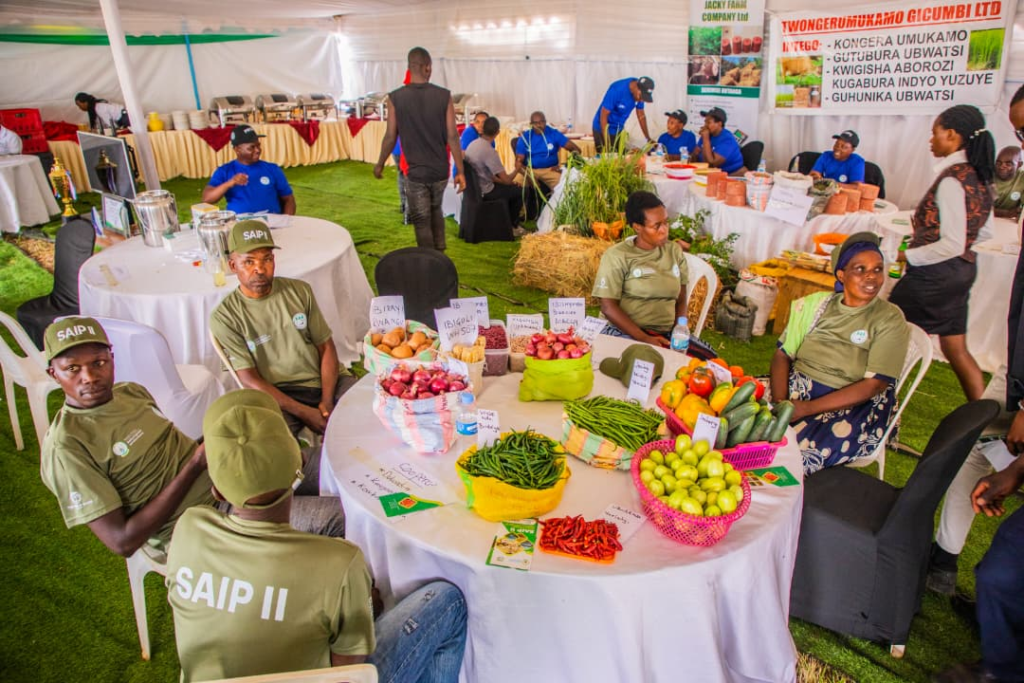
It is an opportunity to show how training, modern farming practices, and support from development partners have transformed their lives, increased their incomes, and opened new markets.
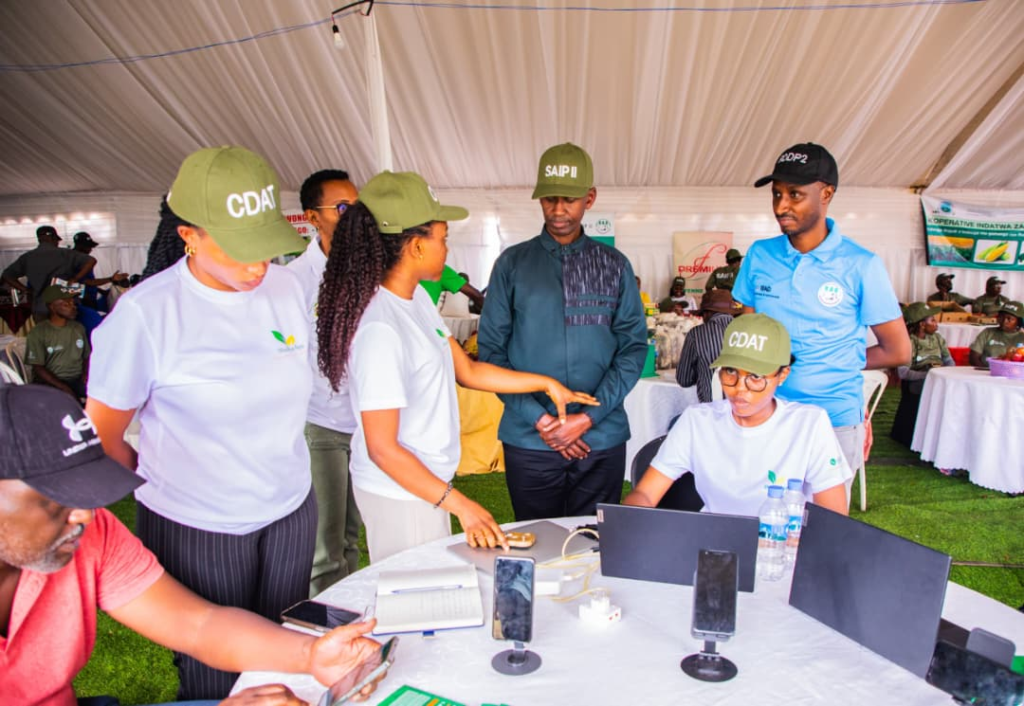
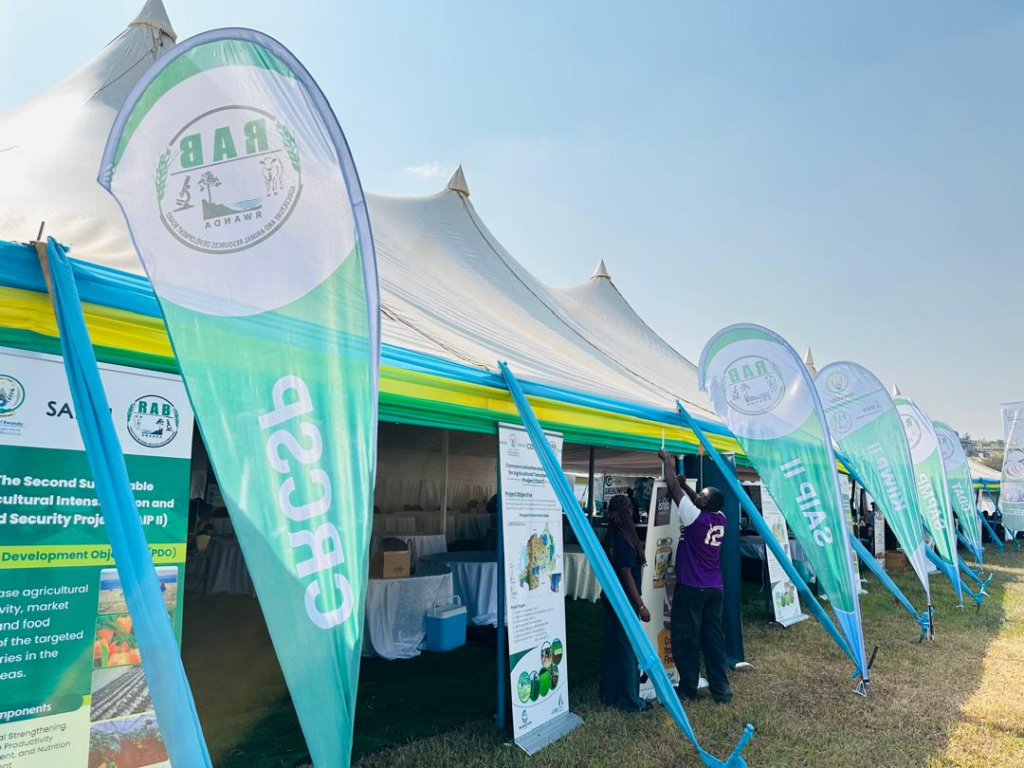
At the 19th Rwanda Agricultural Show, taking place at Mulindi Show Ground in Kigali from July 22 to 31, 2026, under the theme “Accelerating Agri-Food Systems Transformation through Innovation and Strategic Partnerships,” farmers from across Rwanda are proudly showcasing products they say would not have been possible without the knowledge and support they received through projects such as the Sustainable Agricultural Intensification and Food Security Project (SAIP) and the Commercialization and De-Risking for Agricultural Transformation (CDAT) Project. The project which is implemented by the Rwanda Agriculture and Animal Resources Development Board (RAB) through its A Single Project Implementation Unit (SPIU) with support from world bank and other partner
The farmers are now encouraging fellow farmers to embrace modern farming, join cooperatives, and take advantage of training opportunities that can help transform agriculture into a profitable business.
“Training changed everything”
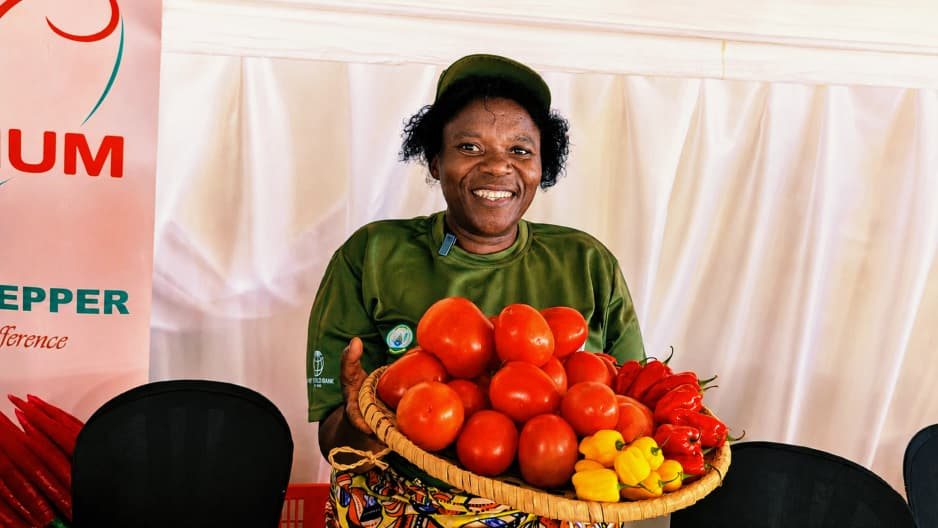
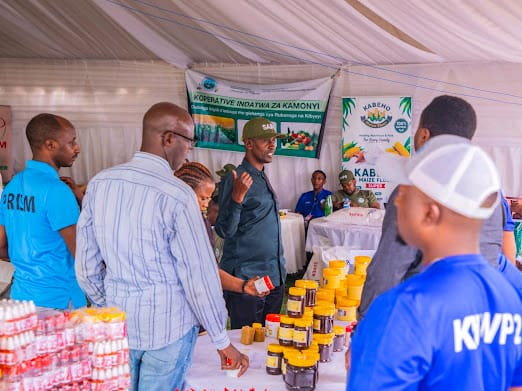
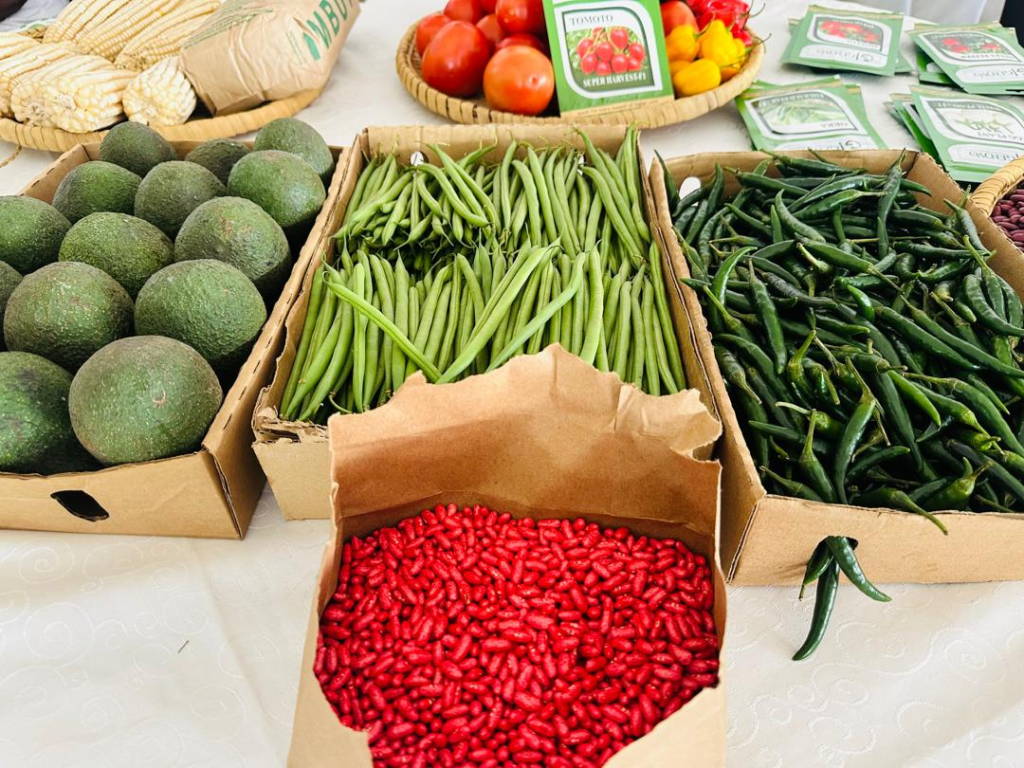
Marie Claudine Niragire, a Board Member of Gwizarwa 34 Cooperative in Rwamagana District, displays vegetables, fruits, avocados, bananas, and pineapples at the exhibition.
She says the cooperative’s transformation began after receiving technical support, irrigation infrastructure, and continuous training through the SAIP project.
“Before, farmers worked individually and produced only for nearby markets. We sold our harvest in local markets around our villages. Today everything has changed. We farm together, receive regular training from SAIP, use irrigation, and produce quality crops that are exported outside Rwanda. Our income has increased and farmers now see agriculture as a real business.”
The cooperative now has 2,955 members, all applying modern farming techniques on a large scale.
According to Niragire, participating in AgriShow is another opportunity to expand their business.
“We came here to show the whole country what we produce. Visitors discover our cooperative, buyers find us, and we also learn from other exhibitors. Every exhibition helps us build new partnerships, exchange ideas, and access new markets.”
She encouraged farmers who still practice traditional farming to organize themselves into cooperatives and seek professional training.
“When farmers work together, they receive the same knowledge, produce quality crops, and easily access markets. Modern agriculture gives better results than farming alone.”
From fighting malnutrition to building a business
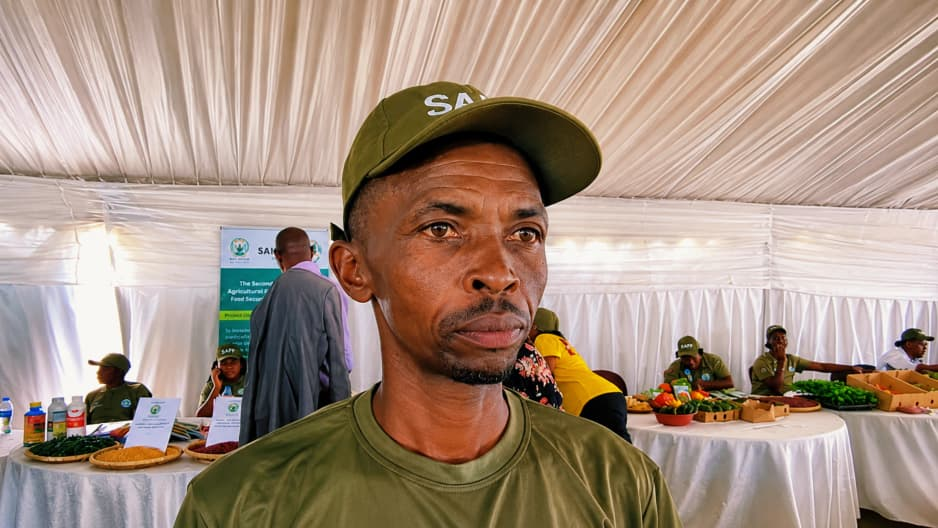
Laura Nzeyimana from Nyamagabe District explained how his group now produces mushroom-growing substrate after receiving training through the SAIP project.
He said the idea started after seeing mushrooms improve children’s nutrition in their community.
“We asked ourselves why we could not produce the mushroom substrate ourselves instead of waiting for it to come from laboratories. SAIP listened to us. They trained us, provided equipment, and brought technicians to teach us every step.”
Today, the group of 46 members produces around 12,000 mushroom growing bags every month and a half.
She says what once looked impossible has become a profitable business.
“We used to think only laboratories could produce this product. After the training we learned every step ourselves. Today we feed our families, sell to the market, and teach others how to grow mushrooms.”
She hopes more farmers will visit the exhibition to learn.
“We came here because what helped us can also help other farmers. We want people across Rwanda to know that they can learn these skills and improve their lives.”
Professional farming helps farmers earn banks’ trust
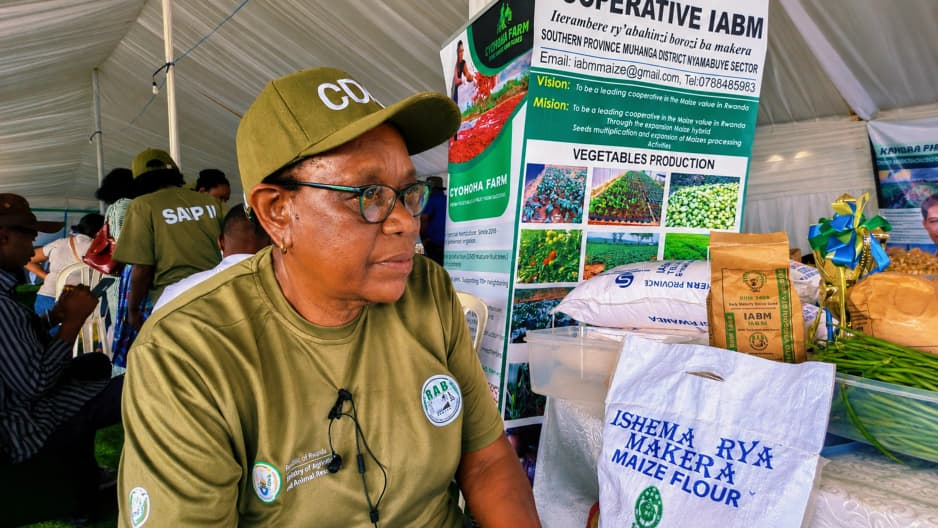
Another exhibitor, Uzamukunda Yikunda, representing IABM Cooperative from Muhanga District, says the Commercialization and De-Risking for Agricultural Transformation (CDAT) Project has completely changed the way farmers manage their businesses.
According to her, the project trained cooperative members in good agricultural practices, proper crop management, post-harvest handling, and farming as a business rather than simply producing food for home consumption.
She says these skills have increased production, improved crop quality, and made financial institutions more willing to finance farmers.
“When you practice agriculture as a business, banks begin to trust you because you have proof that your farming is profitable. We have signed contracts with schools and other buyers before planting, so when we apply for loans we show those market agreements. Banks can see that we already have customers waiting for our harvest.”
Uzamukunda says agricultural insurance has also played a major role in reducing the risks that previously discouraged financial institutions from lending to farmers.
“Today we also have crop insurance. If climate change affects production, the insurance compensates us, allowing us to repay our loans on time. In the past it was very difficult for farmers to access credit because agriculture was considered risky. Now banks have confidence in us because we farm professionally, we have reliable markets, and we manage risks.”
She believes AgriShow is an important platform for sharing knowledge with other farmers.
“We came here not only to display our products but also to teach others what we have learned. Farmers can see how proper crop management, good post-harvest handling, and value addition increase the quality of produce and improve its market value. We want others to learn that agriculture can become a successful business when it is done professionally.”
Minister: Innovation must reach farmers
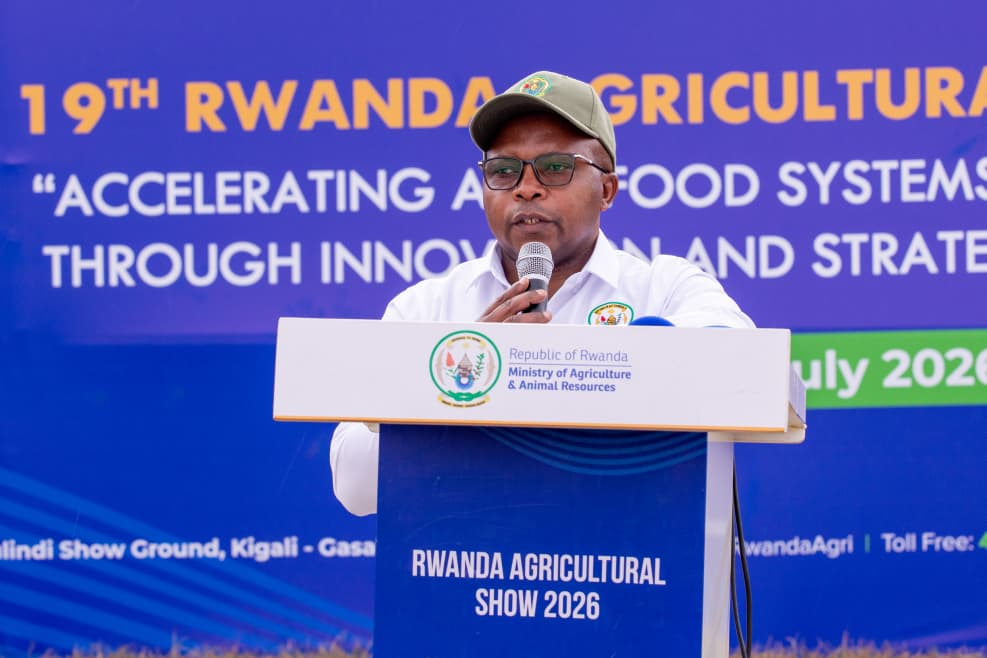
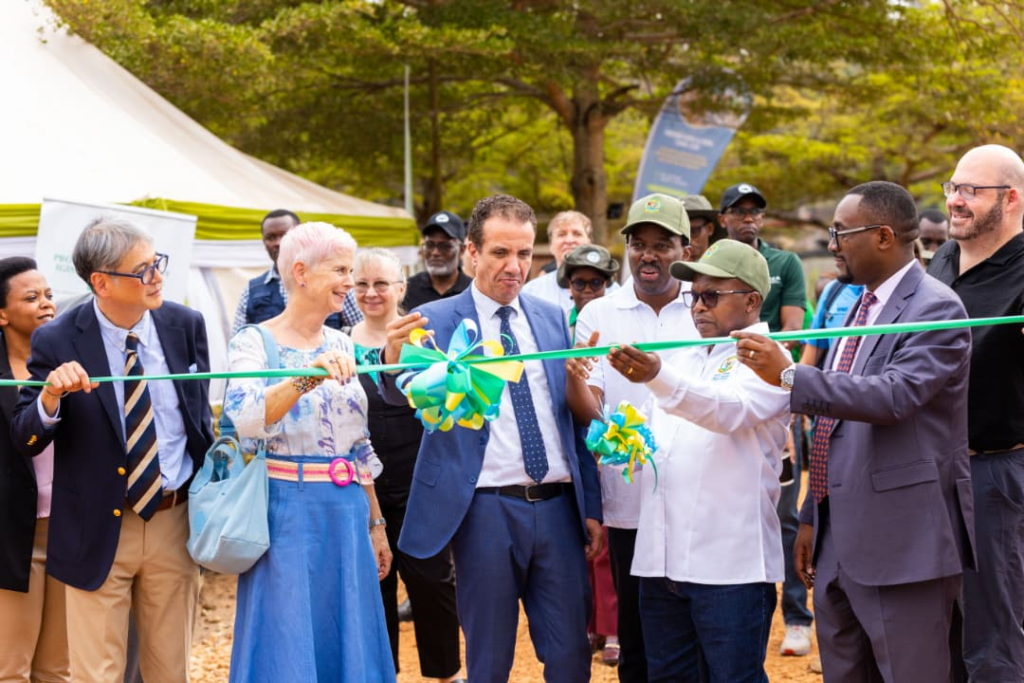
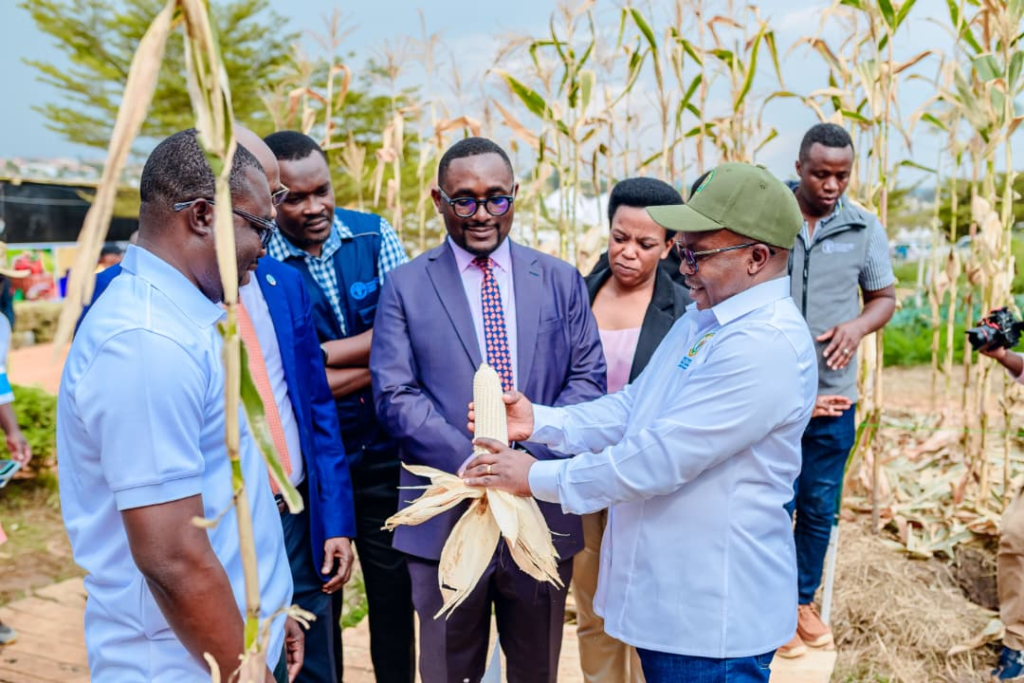
Officially opening the exhibition on July 23, 2026, the Minister of Agriculture and Animal Resources Dr Telesphore Ndabamenye said agriculture remains one of the pillars of Rwanda’s economy, contributing nearly 19 percent of the country’s Gross Domestic Product (GDP), while about 70 percent of Rwanda’s industries process agricultural and livestock products.
The Minister stressed that innovation alone is not enough if farmers cannot access it.
“Agriculture and livestock remain the backbone of our country’s development. Today climate change, rising input costs, and other global challenges require us to innovate and work together. Innovation will not help farmers if they cannot access it. Strong partnerships between innovators, financial institutions, researchers, and service providers are essential.”
The Minister also encouraged farmers to embrace agricultural insurance, climate-smart farming, research, and modern technologies to improve productivity while protecting themselves from climate-related risks.
More than 600 exhibitors gather in Kigali
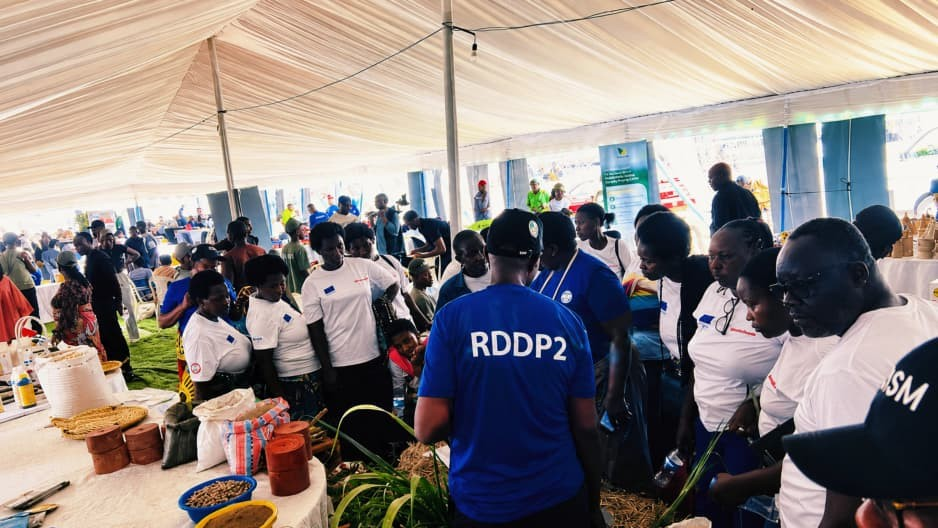
This year’s AgriShow has attracted more than 600 exhibitors, compared with about 530 exhibitors last year and around 300 exhibitors five years ago, highlighting the rapid growth of Rwanda’s gricultural exhibition.
Organizers say the increasing number of exhibitors reflects growing interest from farmers, agribusinesses, researchers, innovators, investors, and development partners who see the event as an important platform for networking, knowledge sharing, and investment.
Last year’s Rwanda Agricultural Show welcomed 61,781 visitors, up from more than 40,000 visitors in previous years.
Throughout the ten-day exhibition, visitors can explore improved seeds, irrigation technologies, agricultural machinery, livestock innovations, greenhouse farming, digital agriculture, financial services, and climate-smart farming solutions designed to improve food production and farmers’ incomes.
A platform inspiring the next generation of farmers
As visitors continue touring the exhibition until July 31, many exhibitors hope they will leave with more than just information about new technologies.
They hope farmers across Rwanda will be inspired to invest in knowledge, adopt modern farming practices, join cooperatives, strengthen partnerships, and view agriculture as a profitable business capable of creating jobs, improving livelihoods, and driving Rwanda’s agricultural transformation.