Rwanda’s Eastern Province in Kayonza District watched their crops dry up as they waited for rains that often came late or never came at all. But for now, Solar-powered irrigation systems installed under the Sustainable Agricultural Intensification and Food Security Project (SAIP II) are helping hundreds of farmers in Kayonza District grow crops throughout the year, increase harvests and earn more income they no longer depend on the rain.
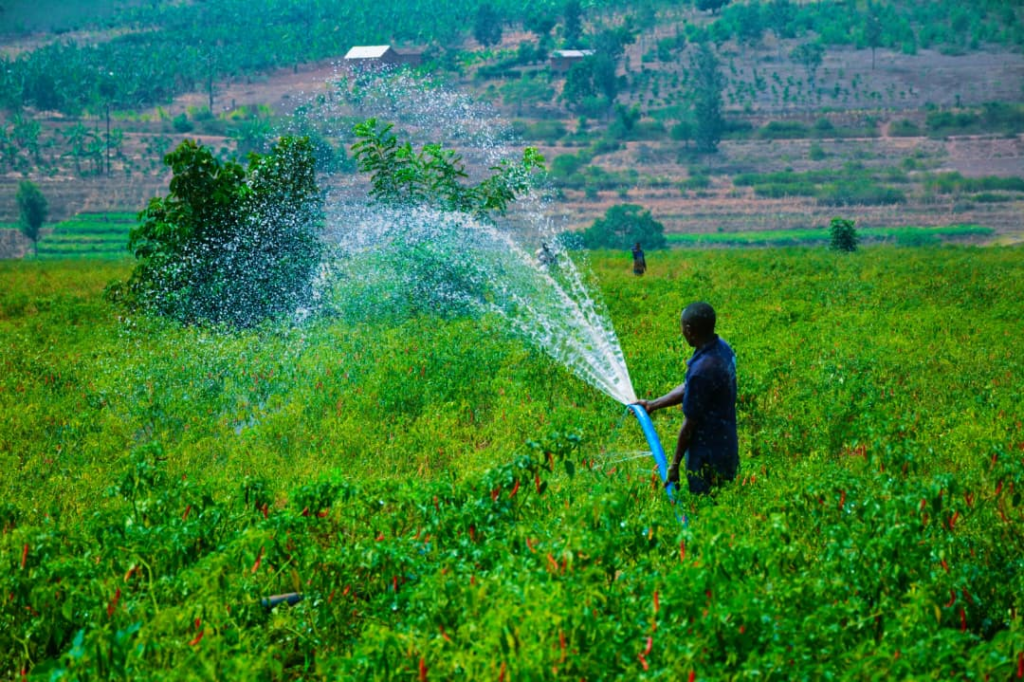
The project is turning once dry fields into productive farms, giving families a reliable source of food and income even during the dry season.
Solar irrigation brings new hope
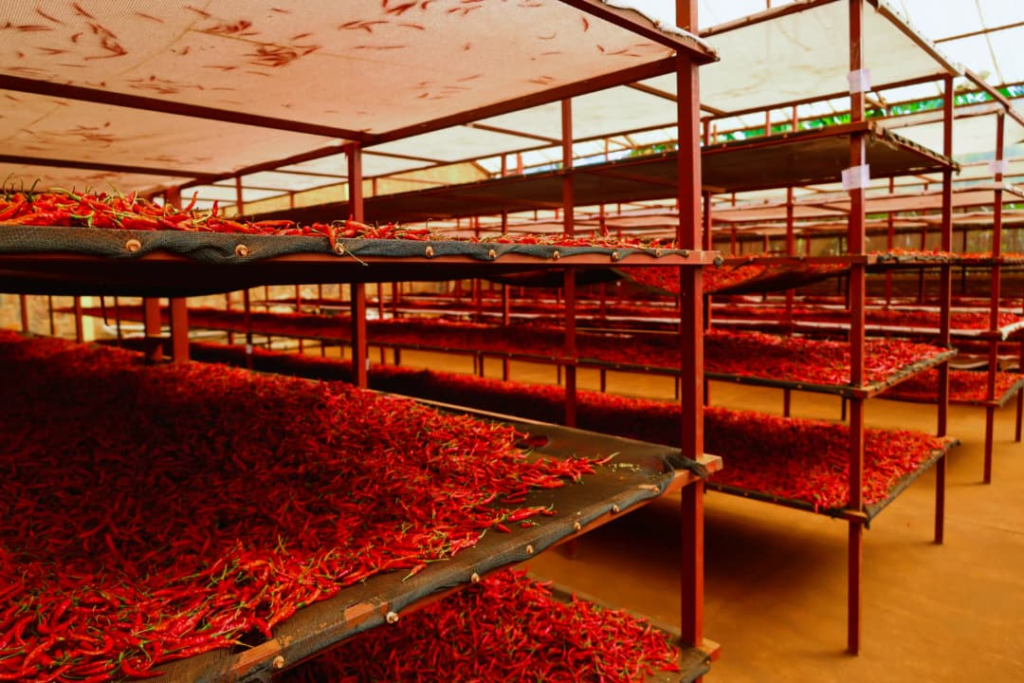
In Kabare Sector, Kayonza District, the Kayonza IV irrigation scheme stretches across 365 hectares, where 416 farmers grow vegetables and fruits including tomatoes, chilli, cabbage and avocado.
Although the scheme had existed for years, water could not reach every part of the farmland. About 65 hectares remained dry because the available water was not enough, leaving many farmers with poor harvests.
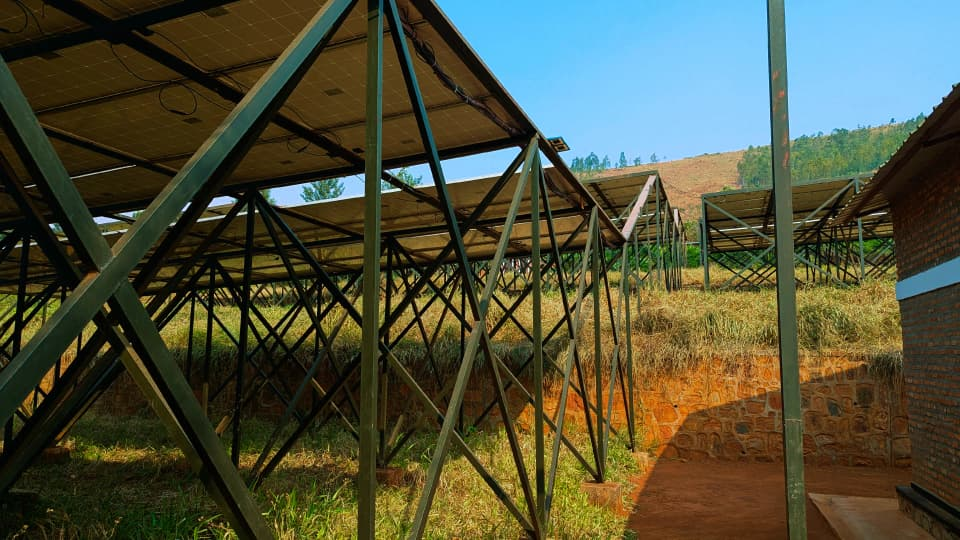
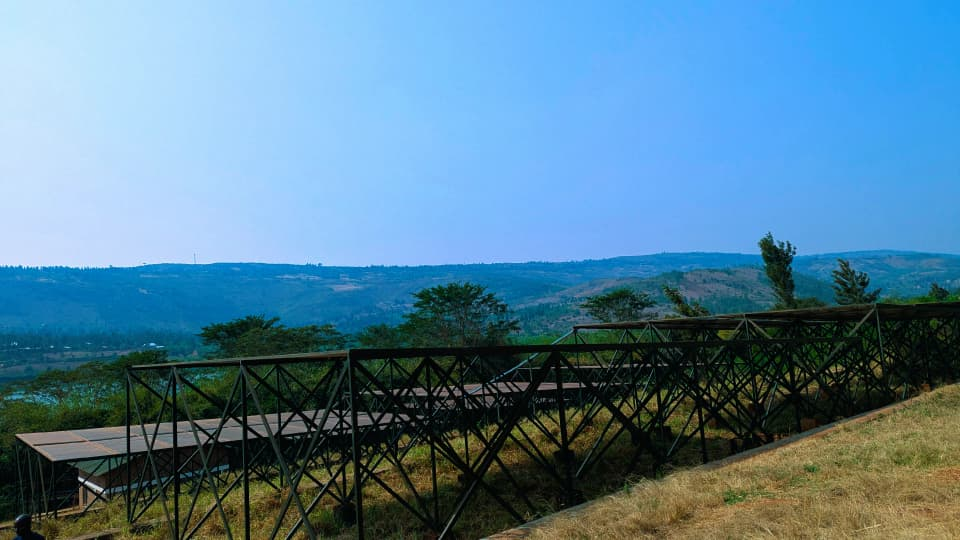
To solve the problem, SAIP II invested more than Frw800 million in expanding the irrigation system. The project installed 540 solar panels, pumps, pipelines and control equipment that lift water to areas that previously had no irrigation.
The new system now delivers water across the entire scheme, allowing farmers to grow crops in every season.
Harvests multiply as water reaches every field
For farmers, the biggest change has been the increase in production.
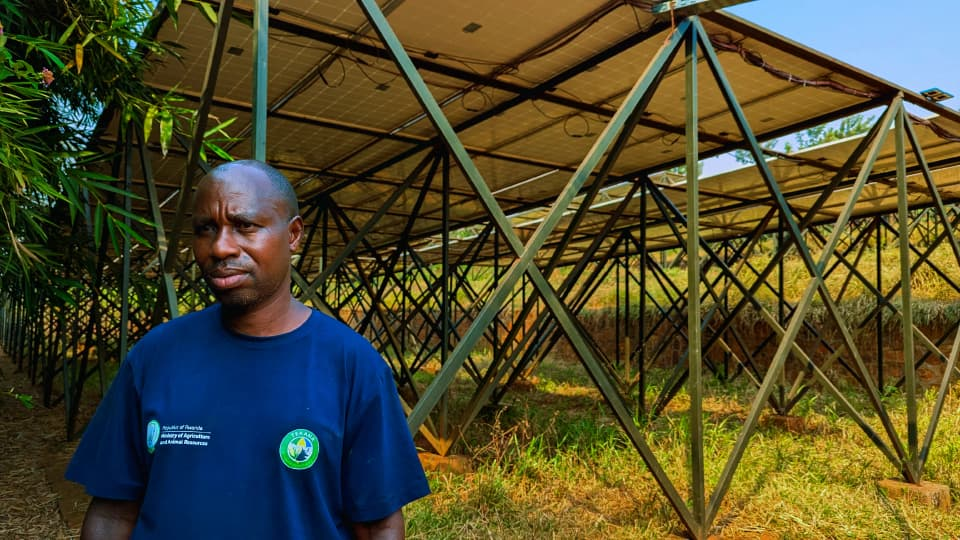
Ugirumurera Faustin, president of the Ubuzima Bwiza Kayonza Water Users Association, said the new irrigation system has completely transformed farming in the area.
“Before this support, around 65 hectares did not receive any water. Farmers planted crops, but many dried because of the long dry season. Today, water reaches those fields every day. Farmers no longer depend only on rainfall. They plant with confidence because they know water is available.”
He said chilli production has increased significantly.
“Previously, a hectare of chilli produced less than 500 kilograms. Today, farmers harvest more than four tonnes per hectare. Tomato production has also improved. Before, some farmers harvested less than 400 kilograms. Now, many harvest around five tonnes per hectare.”
The increased production has allowed farmers to supply local markets while others sell to buyers beyond their communities.
Farming all year changes lives
The benefits go far beyond larger harvests.
Farmers say irrigation has improved their livelihoods by creating steady incomes throughout the year.
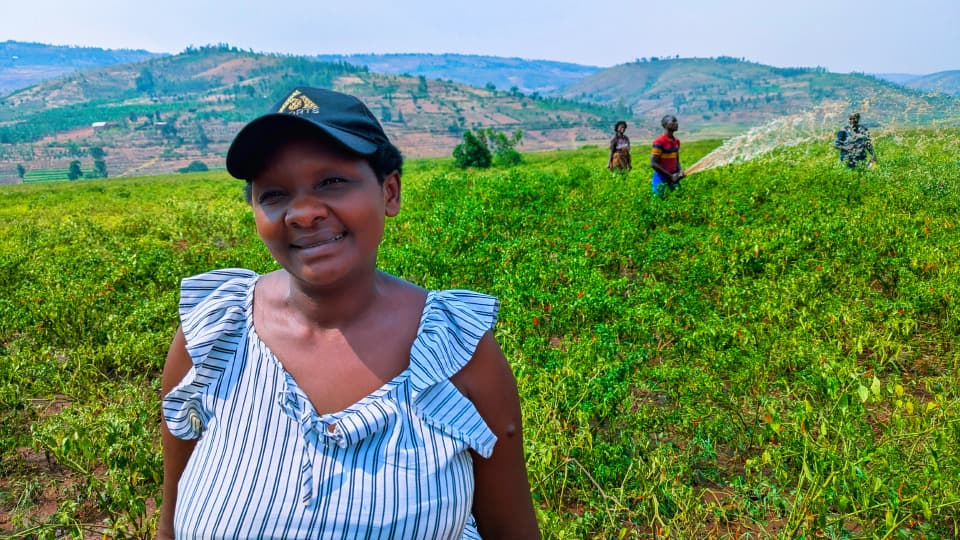
Nyiraneza Francine, one of the farmers using the irrigation system, said farming was once a struggle because everything depended on rainfall.
“Before, our harvests were very poor. We worried every season because there was not enough water. Now we farm throughout the year. Even when the rains stop, we continue growing crops because water is available. Our production has increased and our lives are improving.”
She added that the project has also supported farmers with improved seedlings, crop protection products and training, helping them produce better-quality crops.
Lower costs, higher profits
For many farmers, solar irrigation has also reduced production costs.
Jean Damascene Uwiringimana, another farmer in the scheme, recalled carrying water manually using watering cans before the project.
“We used to spend a lot of money paying many workers to carry water from the wetland to the fields. It was hard work and very expensive. Today, water comes through pipes directly into our farms. Instead of hiring about 20 workers for irrigation, only two people are needed. That means we save a lot of money while producing more.”
The savings, combined with bigger harvests, have increased farmers’ earnings.
According to farmers, improved incomes are helping families pay school fees, subscribe to community health insurance, improve their homes and invest in new farming activities.
Faustin says the transformation is visible across the community.
“Today you can see better houses, motorcycles and even cars owned by farmers. Young people are earning money from farming instead of leaving the village to search for work elsewhere. Farming has become a business.”
Preparing for life after the project
SAIP II is expected to end in December 2026, but farmers say they are ready to continue managing the irrigation system.
The Water Users Association collects maintenance fees from members and has trained technicians who repair pipelines, clean solar panels and maintain pumps.
“We save money for maintenance and our technicians have been trained to repair the system,” Faustin explained. “Even after the project ends, we are confident we can continue operating these facilities ourselves.”
District says irrigation is transforming agriculture

Kayonza District officials say irrigation has become one of the most important investments in helping farmers cope with climate change and improve food production.
Acting Vice Mayor Higiro Jules said SAIP II has helped expand irrigated farmland by more than 170 hectares, increasing the number of irrigated farming sites in the district to 11.
He said the project is changing the way people farm because they are no longer forced to depend on increasingly unreliable rainfall.
“The biggest achievement is that farmers are no longer farming according to the rainy seasons alone. Once water is available, they can produce throughout the year. This has increased both the quantity and quality of agricultural production.”
According to Higiro, irrigation is also creating employment while strengthening household incomes.
“When farmers harvest more, they earn more. They are able to pay for community health insurance, educate their children and improve the welfare of their families. They are also supplying markets with quality produce.”
The district expects the impact to grow as more irrigation schemes are completed.
“Our goal is to ensure that every major agricultural site has irrigation. Climate change has made rainfall unpredictable, so irrigation is no longer an option it is becoming a necessity for sustainable agriculture.”
He added that local authorities are encouraging farmers to protect the infrastructure and continue maintaining it after donor support ends.
“Projects do not last forever. That is why farmers receive training and are encouraged to take ownership of these systems. They must maintain them so future generations can continue benefiting from this investment.”
A growing investment in food security
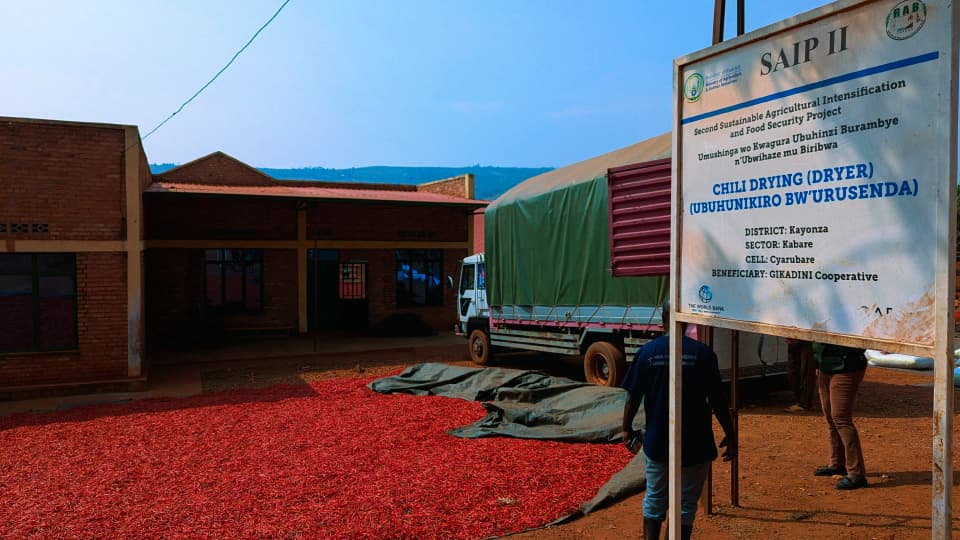
Project Implemented by the Rwanda Agriculture and Animal Resources Development Board (RAB), SAIP II promotes climate-smart agriculture and improved food security.
The project supports farmers through irrigation equipment, technical training, access to improved inputs and market opportunities.
Under the irrigation component alone, more than Frw5 billion has already been invested, with another Frw6 billion planned before the project concludes in December 2026.