Farmers in Rwanda’s Eastern Province in Rwamagana District once depended almost entirely on rainfall to grow their crops. During the dry season, fields dried up, harvests declined and many families lost their main source of income. Today, that picture is changing in Rwamagana District, where irrigation introduced through the Sustainable Agricultural Intensification and Food Security Project (SAIP) is helping farmers increase production, improve food security and create employment across the agricultural sector.
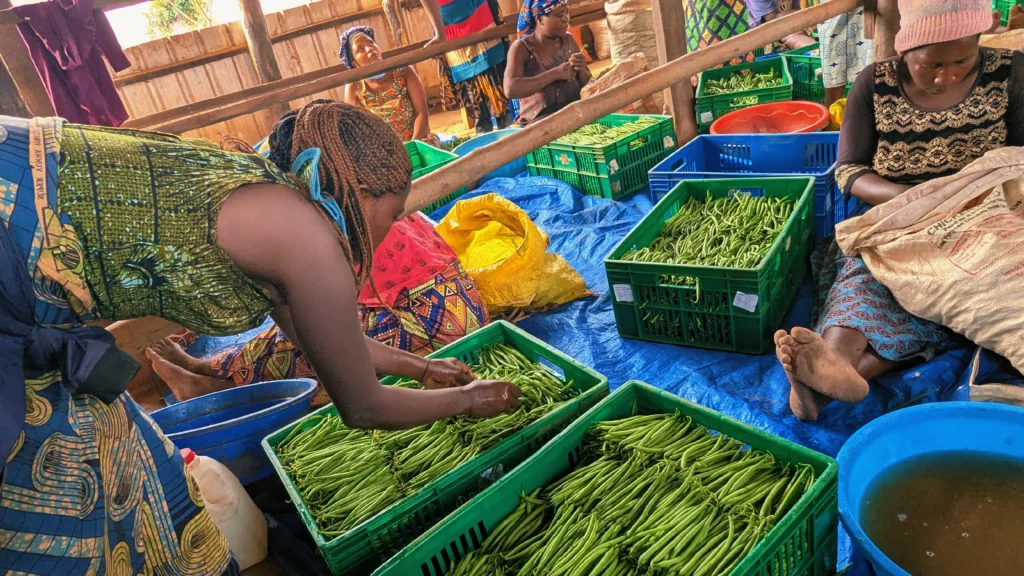
What started as an effort to improve access to water has grown into a catalyst for rural development, allowing farmers to harvest throughout the year, earn higher incomes and support thousands of jobs beyond the farm.Rwamagana is among the districts most affected by prolonged dry seasons. Although it is surrounded by water bodies such as Lakes Muhazi and Mugesera, many farmers have traditionally struggled to access water for irrigation. Most relied solely on seasonal rainfall, making agriculture unpredictable and leaving households vulnerable whenever drought struck.
Rwamagana is among the districts most affected by prolonged dry seasons. Although it is surrounded by water bodies such as Lakes Muhazi and Mugesera, many farmers have traditionally struggled to access water for irrigation. Most relied solely on seasonal rainfall, making agriculture unpredictable and leaving households vulnerable whenever drought struck.
To address this challenge, SAIP introduced solar-powered small-scale irrigation systems alongside improved seeds, modern farming equipment, technical training and market linkages. Together, these interventions are transforming agriculture from subsistence farming into a profitable business.
A District Changing Through Irrigation
Vice Mayor in charge of Economic Development for Rwamagana Kagabo Richards Rwamunono say irrigation has become more than a farming technology. It is strengthening rural economies by enabling year-round production while creating employment throughout the agricultural value chain.
According to Vice Mayor in charge of Economic Development for Rwamagana, only about 11 percent of Rwamagana’s irrigable land had previously been developed through traditional public irrigation schemes. The remaining land is gradually being brought under irrigation through small-scale solar-powered systems introduced by SAIP.
Speaking during a media visit, Kagabo Richards Rwamunono the Vice Mayor in charge of Economic Development for Rwamagana District said the project has significantly expanded irrigation coverage.
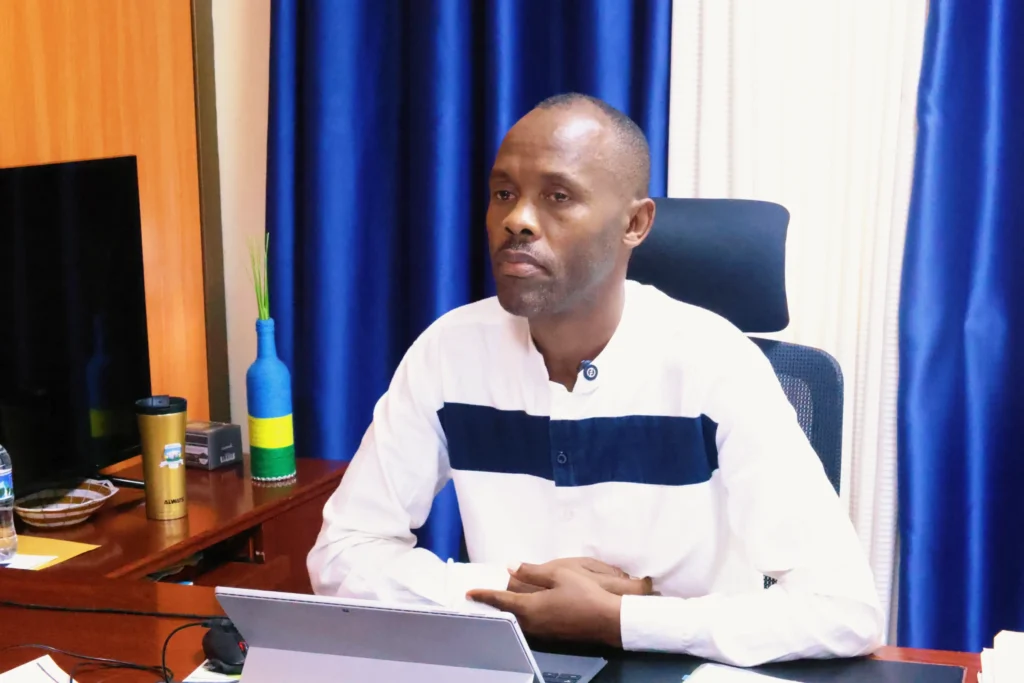
“SAIP came as a solution for many farmers in Rwamagana. During the first phase, 17 solar irrigation systems were installed, while the second phase added more than 20 additional systems. Together, they support nearly 300 hectares of farmland. These systems are helping farmers who previously had no access to irrigation water.”
The official said irrigation has become one of the district’s most effective tools for adapting to climate change because farmers no longer have to wait for the rainy season before planting.
Higher Yields, Stronger Food Security
Improved access to water is translating into higher agricultural production across the district.
District officials estimate that agricultural production has increased by about 52 percent since irrigation expanded. Maize yields have risen from approximately 2.7 tonnes per hectare to between 3.9 and 4.3 tonnes per hectare, while farmers growing vegetables and export crops are recording even higher yields.
The district official believes production will continue to improve as farmers adopt better farming practices.
“When irrigation is combined with quality seeds, fertilizer and good farming practices, farmers can produce much more. The water is there, the markets are there, and the opportunity is there. Irrigation allows farmers to make full use of their land instead of depending only on rainfall.”
Higher production is also improving food security across the district.
“When production increases, more food reaches the markets. Prices become more stable, and families, including those who are not farmers, can afford food more easily.”
Irrigation Creating Jobs Beyond the Farm
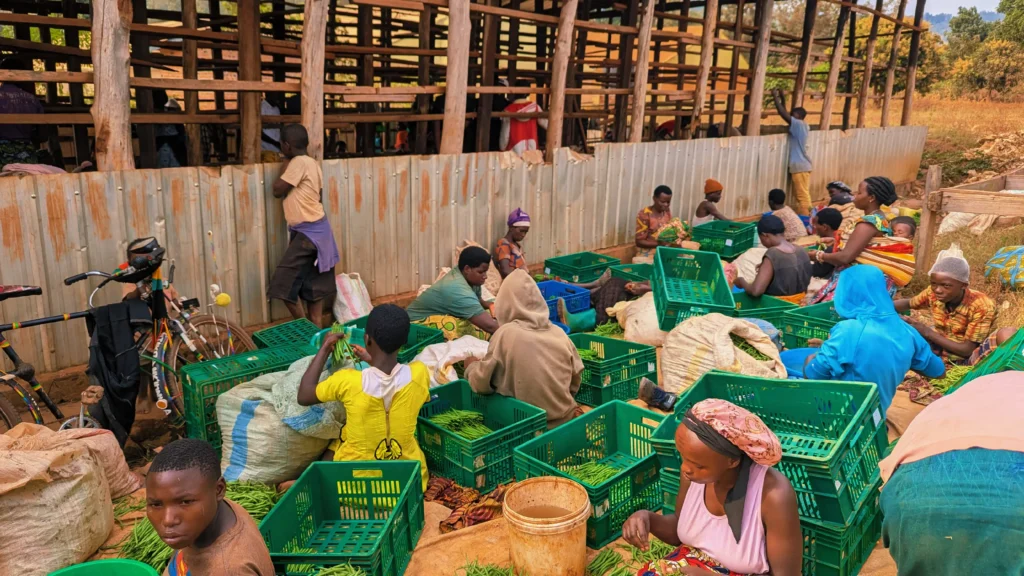
Beyond improving food production, irrigation is generating employment throughout the agricultural value chain.
Out of approximately 123,000 households in Rwamagana District, more than 88,000 depend on agriculture for their livelihoods.
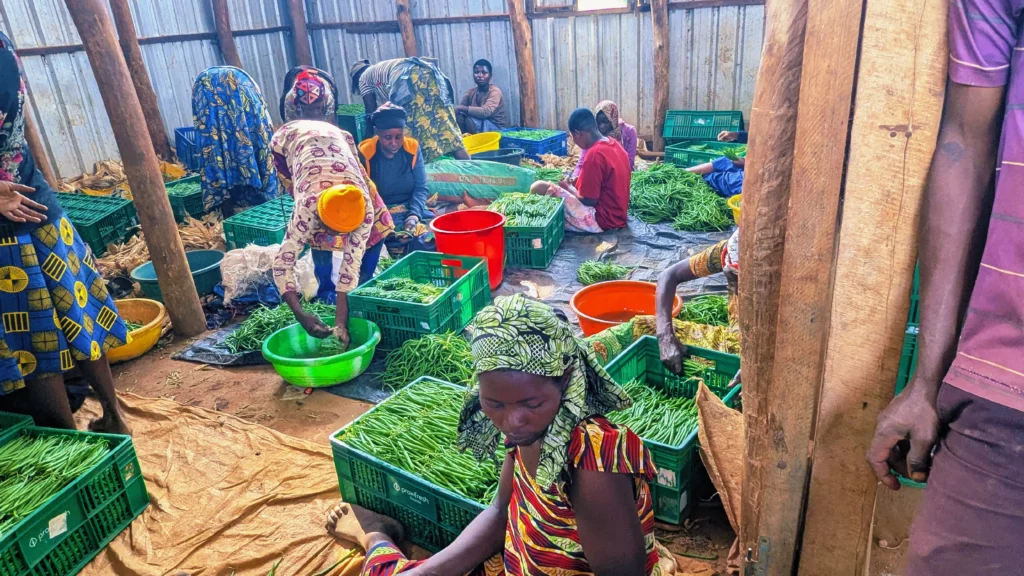
As production expands, new opportunities are emerging in transport, irrigation equipment maintenance, greenhouse construction, storage facilities, produce aggregation and agricultural trade.
Vice Mayor Richard say agriculture is becoming one of the district’s major sources of employment.
“Agriculture is no longer only about growing crops. It creates work for transporters, traders, technicians, greenhouse builders, storage operators and many other businesses. As agriculture grows, the local economy grows with it.”
Farmers See Real Changes at Home
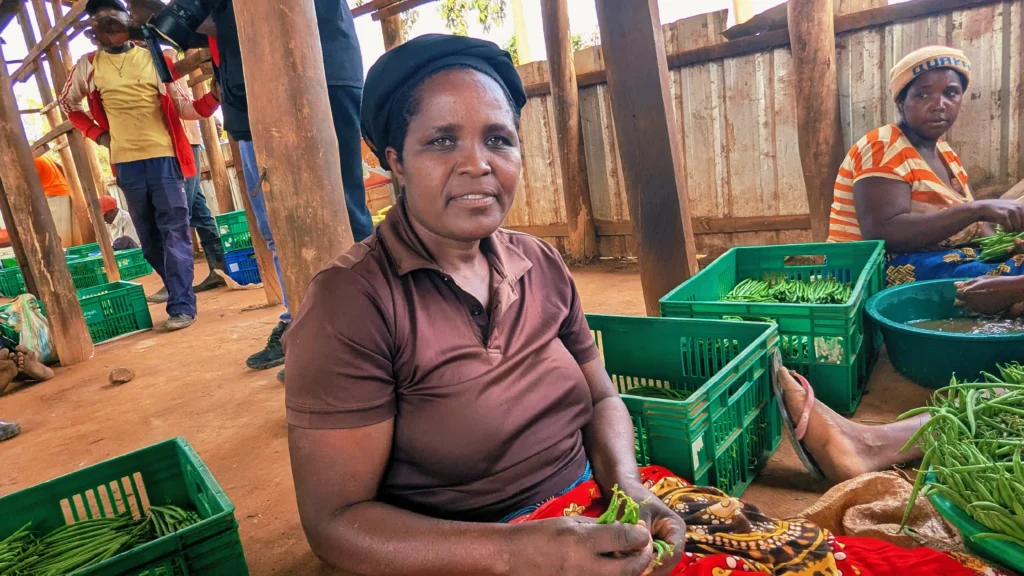
Valentina Nzamwita, a member of Gwiza Cooperative in Karambi, said farming was difficult and poorly organised before SAIP introduced irrigation, improved seeds and agricultural training.
“Before, we farmed without planning. We mixed different crops and harvested very little. Today we have training, better seeds and reliable markets. My life has changed. I can now pay for health insurance on time, improve my house and support my children’s education without the struggles I faced before.”
She said irrigation has removed one of the biggest challenges farmers experienced during the dry season.
“Before irrigation, we carried water by hand from small streams, and during the dry season there was never enough water. Now water reaches our fields through irrigation equipment, making farming much easier.”
Another farmer, Eric Rugenera said irrigation enabled him to shift from traditional crops to higher-value vegetables such as tomatoes, carrots and French beans.
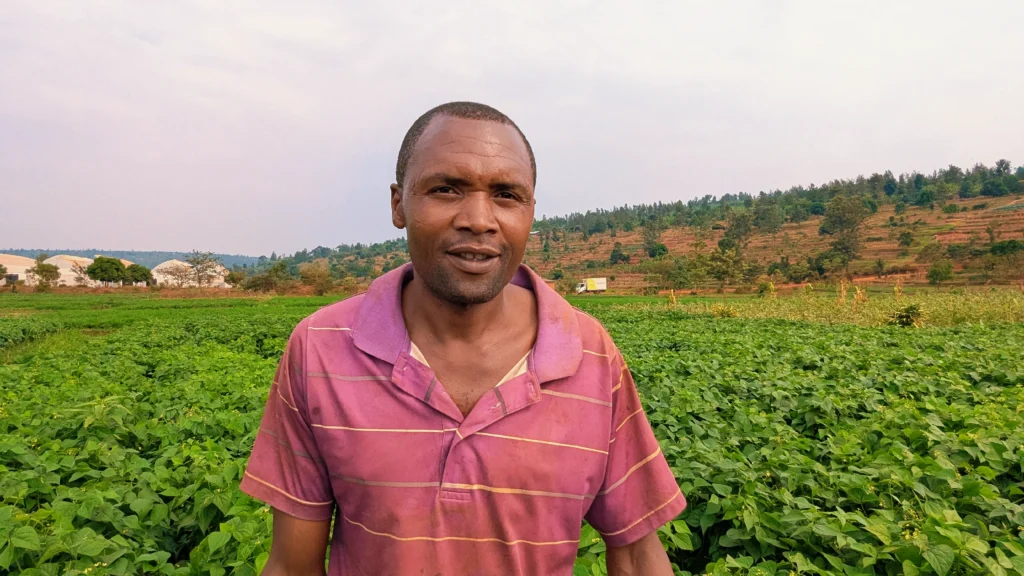
“The farming I do today is completely different from what I did before. Vegetable farming gives me better income because I have irrigation and better markets. Through farming I have built a better house and bought more land.”
He also praised the government’s subsidy programme for irrigation equipment.
“The government supported us with irrigation equipment. We paid only a small portion of the cost while the project covered the rest. Without that support, many farmers would never have afforded the equipment.”
Better Markets, Better Incomes
The benefits of irrigation extend beyond increased production.
Jackson Rukundo, Manager of Gwiza Cooperative, said SAIP not only helped farmers access irrigation but also connected them with reliable buyers and export companies.
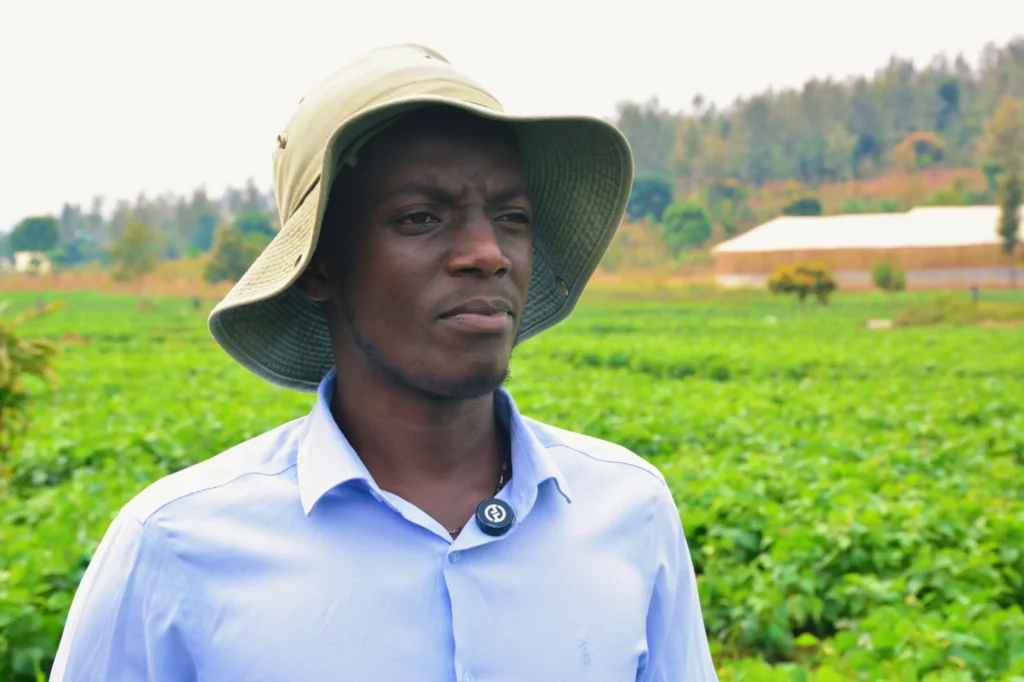
The cooperative, which has operated for 12 years, has more than 700 members, cultivates over 38 hectares and employs more than 100 workers. Members produce maize, French beans, hot pepper, baby corn and other vegetables for both domestic and export markets.
“After receiving irrigation support, our production increased significantly. SAIP also connected us with financial institutions and companies that buy our produce. Farmers no longer grow crops only to feed their families. They farm as a business, and today our products reach companies that export to international markets.”
He added that continuous technical support, agricultural training and improved irrigation equipment now allow cooperative members to farm throughout the year instead of relying on rainy seasons.
Sustaining the Progress
Vice Mayor Richard Rwamunono say efforts are underway to ensure irrigation systems remain operational after project funding ends.
The district plans to train local technicians to maintain irrigation equipment, strengthen farmers’ technical skills, improve access to spare parts and expand partnerships supporting renewable-energy irrigation technologies. Local authorities also intend to continue investing in small-scale irrigation through the district budget.
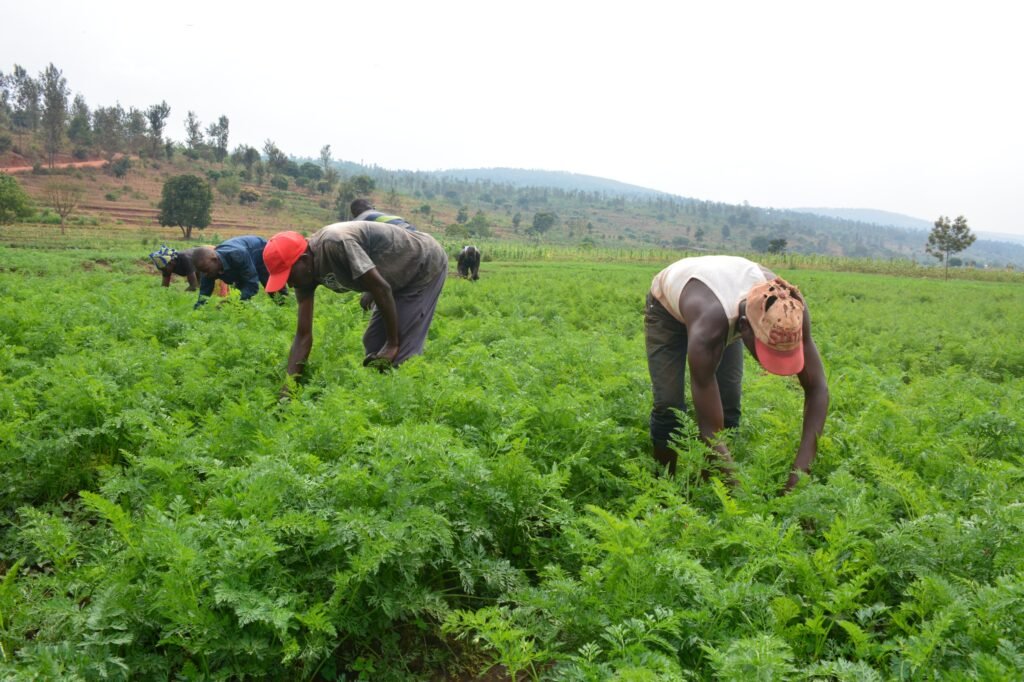
As more farmers gain access to irrigation, improved technologies and reliable markets, district leaders believe agriculture will continue driving food security, job creation and economic growth across Rwamagana.
| The Comments |