Tubafashe Academy School believes that children cannot be fully supported when the adults raising and teaching them are still carrying deep emotional wounds.
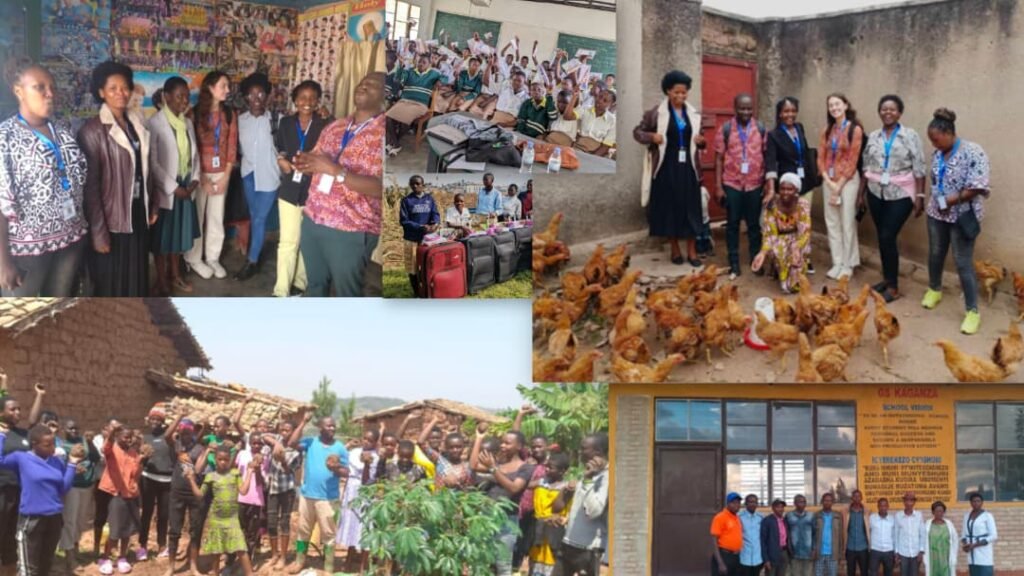
That message became one of the lessons from a two-week vacation camp that brought together children, parents and teachers at the school in Rwamagana on August 15, 2026.
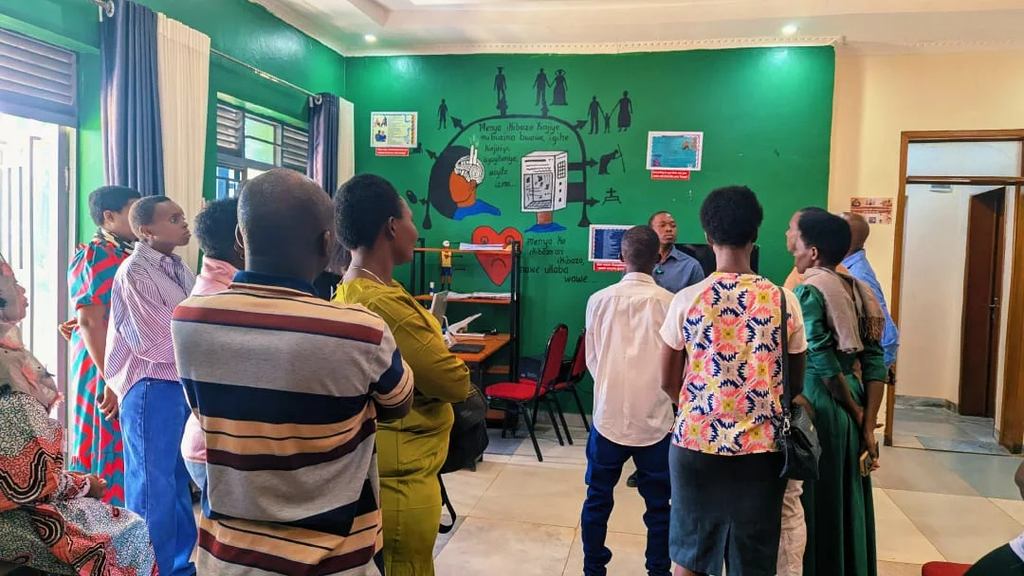
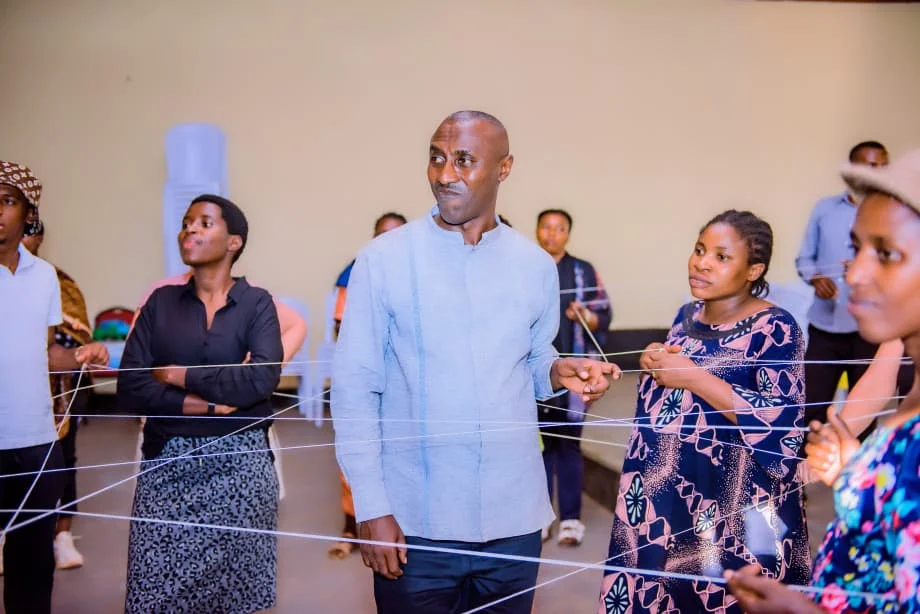
The program, organized with education partners from Quebec, Canada, combined learning, sports, arts and games with sessions focused on mental and emotional well-being. Teachers were introduced to new ways of supporting children with different learning needs, while parents were given space to examine their own experiences and understand how their personal struggles can affect family life.
The program was part of a wider partnership between Tubafashe Academy School and Saint-Joseph in Quebec.
But beyond the activities for children, the camp also focuses on the adults around them: helping parents heal so that children do not inherit their pain.
Parents Carry Different Wounds
Dr. Chaste Uwihoreye, founder of Tubafashe Academy School and Serenity Wellness, said the camp revealed that parents were carrying different forms of emotional pain.
Some wounds started in childhood. Some parents had lost their own parents at a young age and grew up without the care and support they needed. Others were still dealing with difficult experiences from their childhood.
There were also wounds linked to marriage, family conflict, separation, poverty, illness, loss and other difficult experiences.
“During the camp, we found that parents had different wounds. Some came from their history, including parents who became orphans when they were young and grew up without receiving the care and love of parents. Some also went through traumatic experiences when they were children and may still be carrying those wounds today. We also found wounds connected to marriage, where some parents told us they were living with sadness because their marriages had not gone well.”
Dr. Chaste said some families were living with long-term conflict, while others had separated completely. Some family members no longer spoke to each other, while others were living in groups that remained in conflict.
The program also encountered parents dealing with the loss of a spouse, poverty, serious illness in the family and situations where one parent was in prison.
When Parents’ Pain Reaches Children
Some parents were also carrying emotional wounds connected to challenges involving their children.
Dr. Chaste said families raising children with conditions such as autism or Down syndrome can face heavy emotional pressure, while other parents may experience pain because they cannot have more children.
He said such experiences can affect parents emotionally and, in turn, influence how they relate to their children.
“Parents can raise children while carrying their own wounds, and those wounds can be passed on to the children. There is no shortcut to helping children with their mental and emotional well-being if we do not first pay attention to the parents. Helping children must also include the healing of their parents.”
For Tubafashe Academy, the message is supporting a child requires understanding the environment in which that child is growing.
Parents Begin Looking at Their Own Lives
Rather than focusing only on what parents should do for their children, the camp gave parents an opportunity to look inward.
They were encouraged to identify the wounds they were carrying, understand where they came from and consider how those experiences affected their relationships with their children and other family members.
Dr. Chaste said the process helped parents move from carrying pain to recognizing it and thinking about new ways of living and raising children.
“Parents had an opportunity to look at themselves. They worked together with educators to understand the wounds they were carrying, give those wounds a name and identify where they came from. They then began a journey of dealing with those wounds, recognizing the strength they still had after being hurt and thinking about better ways of living, raising children and teaching them.”
Parents Say They Gained More Than Parenting Lessons
For parents who attended the program, the sessions were not only about raising children. They also became an opportunity to reflect on their own lives, relationships and responsibilities.
Imanikuzwe Rivera, a parent connected to Tubafashe Academy, said the program gave her lessons that could be applied directly to family life.
“I learned many things here. I learned about how to have better relationships with my family, how to live together in peace and how to help my family move forward. I also learned that education is not only about what children study in school. They also need to learn about life, family and how to live well with others.”
She said parents also learned practical lessons related to family well-being and nutrition.
Alexandre Bizumuremyi, another parent, said the sessions helped parents understand the different problems that can affect families and children.
He said the training encouraged parents to think about where family problems come from, how they affect children and how they can be addressed before they become deeper problems.
Teachers Also Confront Their Own Challenges
The program also recognized that parents are not the only adults who influence a child’s well-being.
Teachers were encouraged to reflect on their own experiences because unresolved emotional struggles can also affect what happens inside the classroom.
Dr. Chaste Uwihoreye said:
“Teachers can also have wounds. It becomes difficult for a teacher to teach well and allow knowledge to enter when they are teaching from a place of pain. They may struggle to raise children at school, correct them, welcome them or even praise them in a healthy way if they are doing all these things while carrying their own wounds.”
A Family Approach to Education
The experience has pushed Tubafashe Academy to look at education as something that involves more than the classroom.
Parents, teachers and children all have a role to play in creating an environment where children feel safe, supported and ready to learn.
Tubafashe Believe that a parent who understands their own emotional struggles may be better prepared to respond to a child’s needs. A teacher who is also supported may be better able to create a healthy classroom. And a child who grows up in a supportive environment may have a stronger foundation for learning and development.
At the end of the camp, participants agreed on plans to continue working on self-care, caring for children and strengthening family relationships.
The wider partnership with Quebec will also continue through the sharing of teaching strategies, experience and educational resources.
The central message from the parent program was children’s well-being starts with the adults around them.
By helping parents understand and address their own wounds, Tubafashe Academy is seeking to build families where children can grow without carrying pain that began with previous generations.